World Rivers Day, mining and reconciliation
Tuesday, September 27, 2022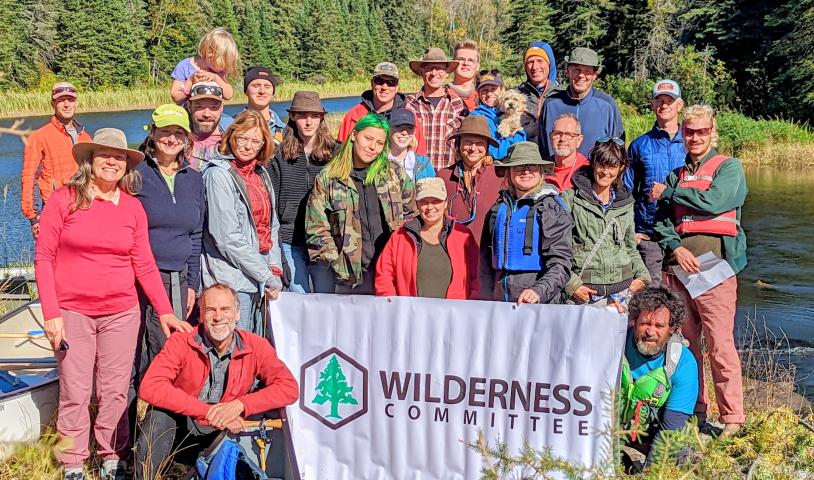
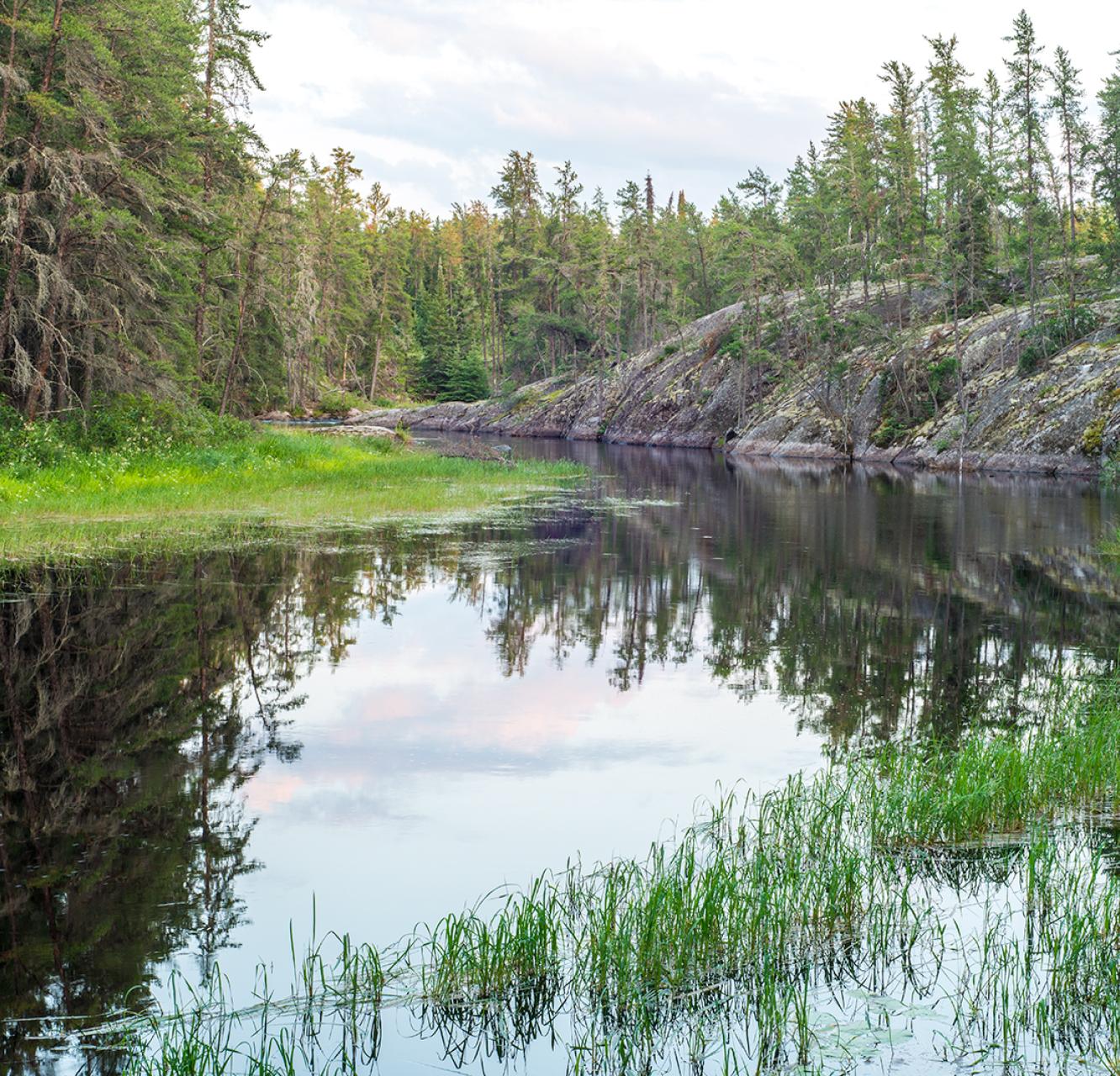
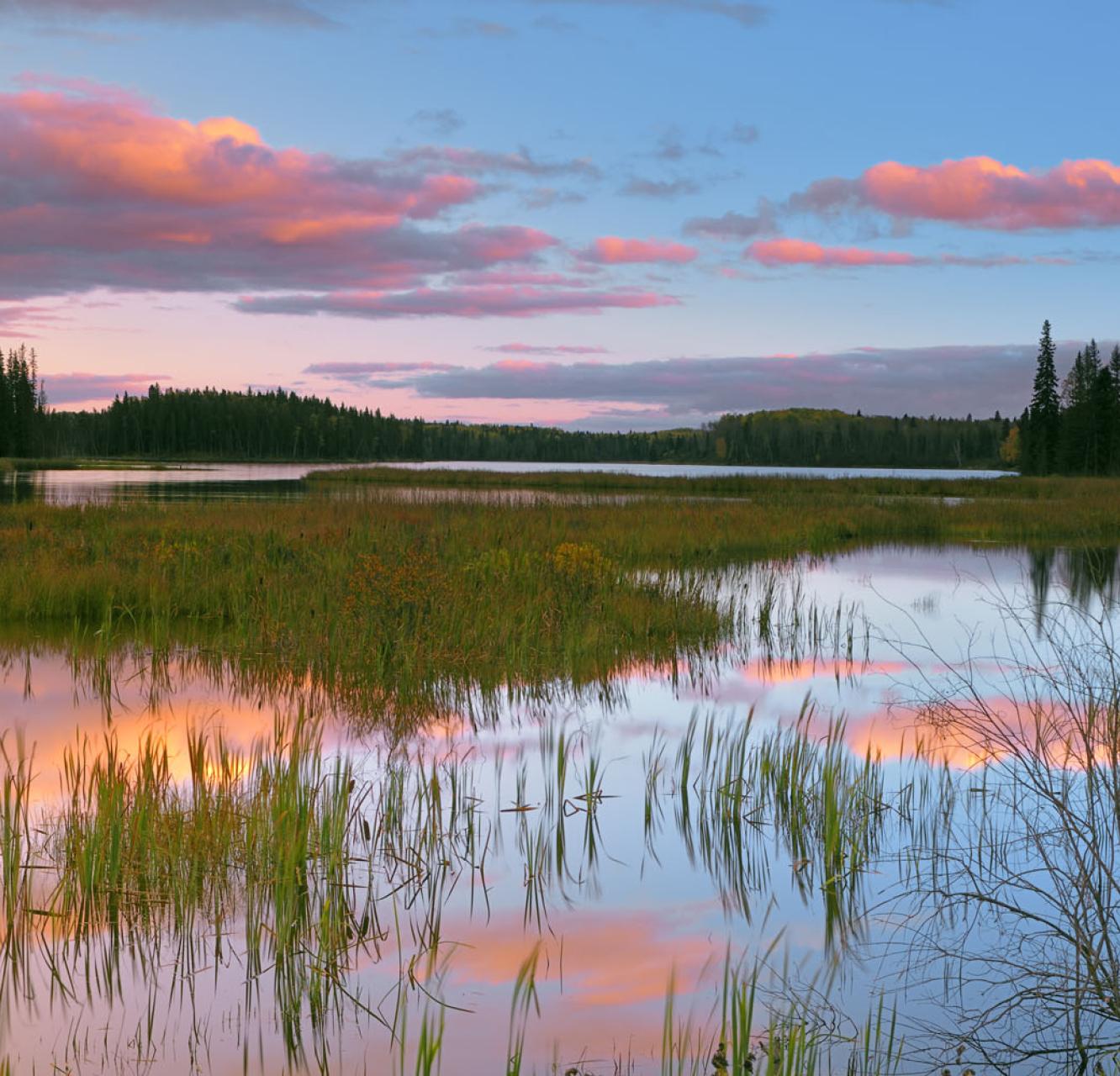
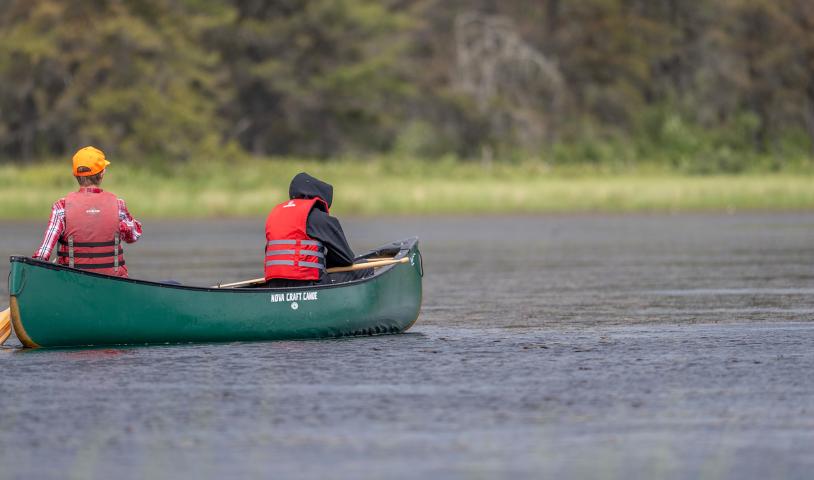
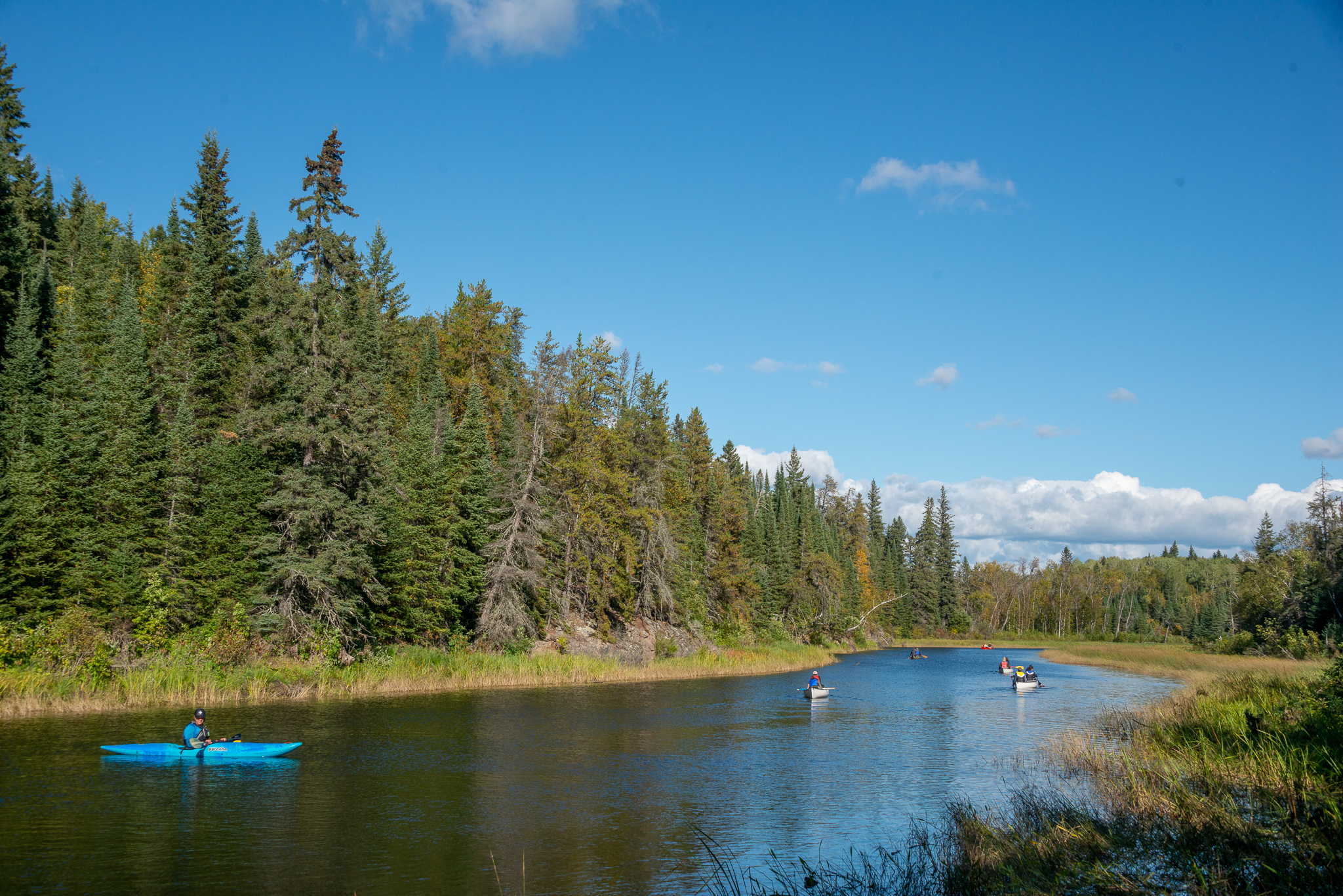
Twenty-six paddlers ventured along the lower Bird River in Sagkeeng First Nation territory on World Rivers Day this past weekend. While we basked in the Bird River’s wild beauty, we talked about the threats of potential mining activity to the incredible ecosystem. The most important discussion we had was about how we move land back into decision-making authority of Sagkeeng First Nation and how Indigenous Protected and Conserved Areas (IPCAs) are part of our societal responsibility for reconciliation.
Land Back or #LandBack is a campaign by Indigenous people in the United States and Canada that seeks to re-establish Indigenous sovereignty — notably, the political and economic control of lands in what is now the United States and Canada to the peoples who have historically occupied them prior to colonization.
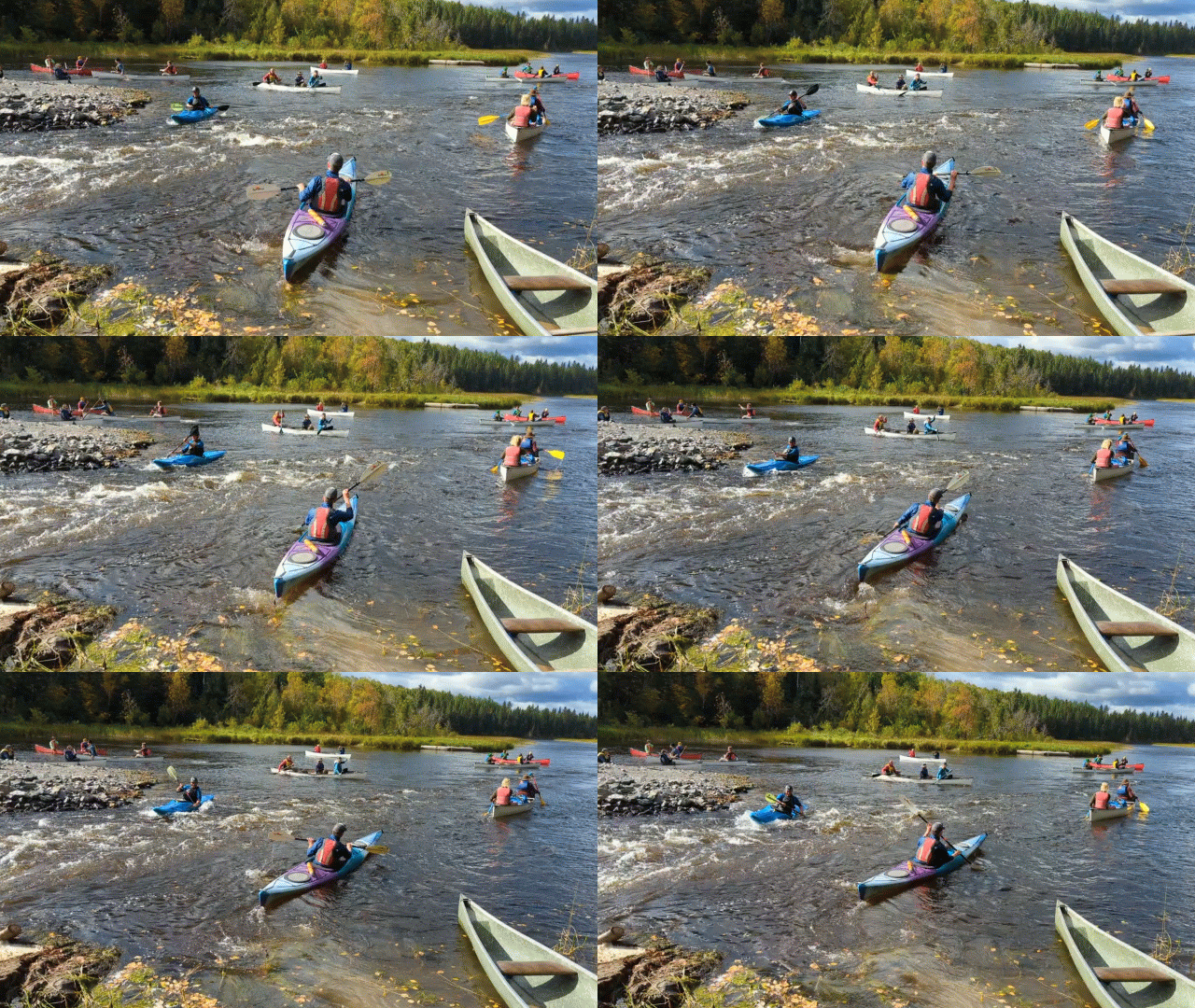
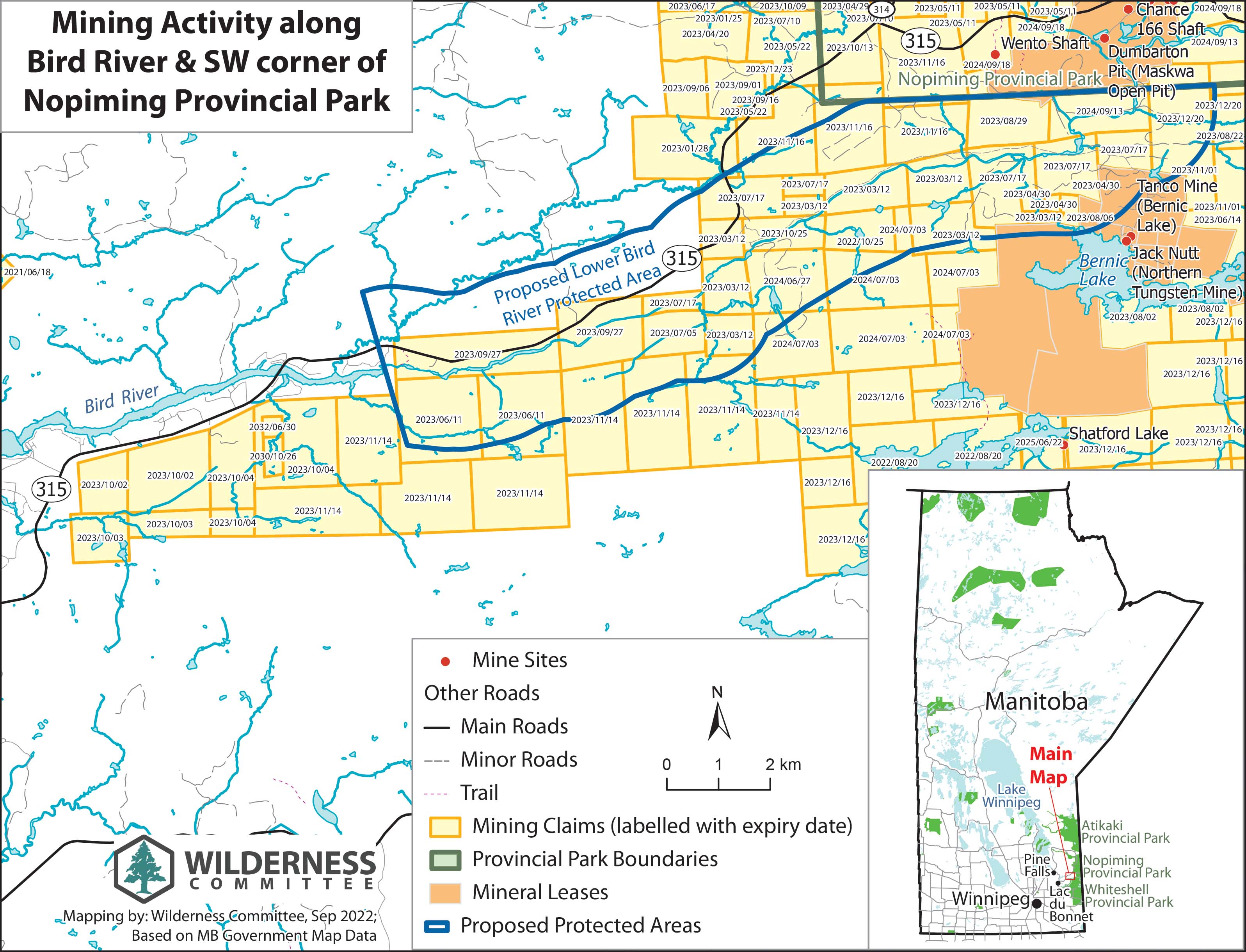
The lower Bird River is overflowing with new mining claims. Since we started the Paddle for Protection back in 2014, these claims have encompassed the entire region. The Bird River is now at constant risk. While on the river with elders, youth and elected councillors from Sagkeeng, we heard of their desire to preserve this wonderful waterway. We need to find the pathway to ensure this happens.
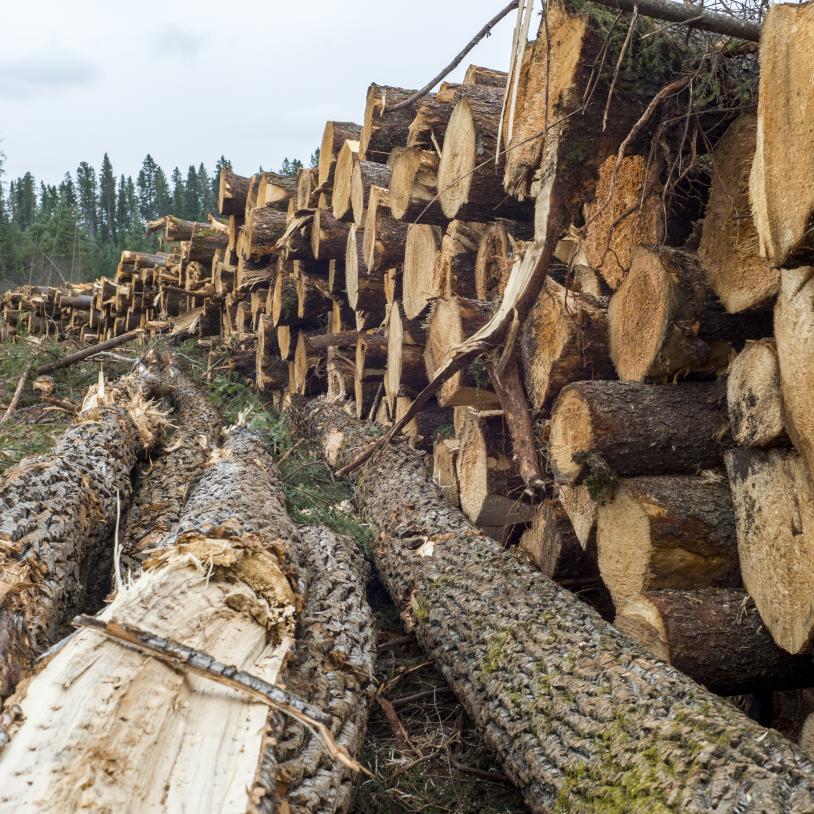
Many Indigenous communities across the country have little say in and receive few benefits for ongoing resource extraction in their territory. Just this year in Manitoba, two First Nations had to take the Manitoba government and Louisiana-Pacific logging company to court merely to get their constitutionally enshrined right to have a say about logging on their territory. These First Nations had to spend their time and resources suing just to uphold the law.
Sagkeeng First Nation recently signed the province’s first Impacts and Benefits Agreement for mineral exploration. This means that companies must consult with and compensate Sagkeeng before they begin bulldozing their territory. The Manitoba government has made no moves to ensure this simple and responsible step is taken in other territories in the province. We are seeing a change in the industrial colonial way, but it is not enough.
There's a third option that just isn't being discussed enough in society. Indigenous Protected and Conserved Areas put care for the land and decision-making for Indigenous communities back into their power. We have examples of this happening in Manitoba but for the past six years, we haven't seen progress on it. In fact, for these past six years — protected and conserved areas in Manitoba have flatlined.
We have an ongoing climate crisis and an ongoing biodiversity crisis. In Manitoba, we have wasted years when we should have been gearing up to address these crises.
Ensuring every Indigenous community in Manitoba has the resources to plan out IPCAs according to their wishes is action toward the climate crisis, action towards the biodiversity crisis and moves reconciliation forward. Land that is back in Indigenous care the world over is proven to be richer in biodiversity.
The Wilderness Committee has been advocating for the creation of a new deputy minister position within the conservation department. The minister would engage with all Indigenous communities in the province on their individual protocols for visitors coming to their territory as well as areas to be preserved and protected.
This week, while we are examining the heavy topic of trauma and genocide perpetuated against Indigenous communities with the National Day for Truth and Reconciliation, we also need to reflect on a vision within our society to strengthen and lift up Indigenous communities.
Grow Indigenous-led protected and conserved areas