Old‑growth forest in Algonquin Park slated for logging by 2031
Friday, December 19, 2025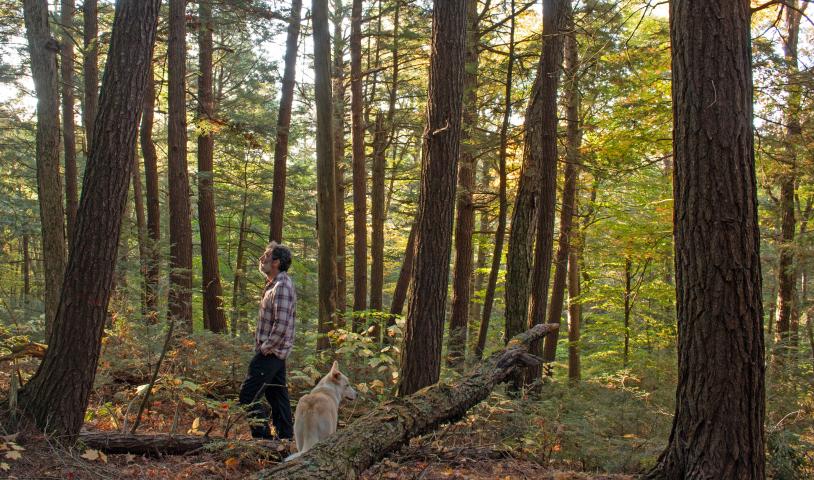
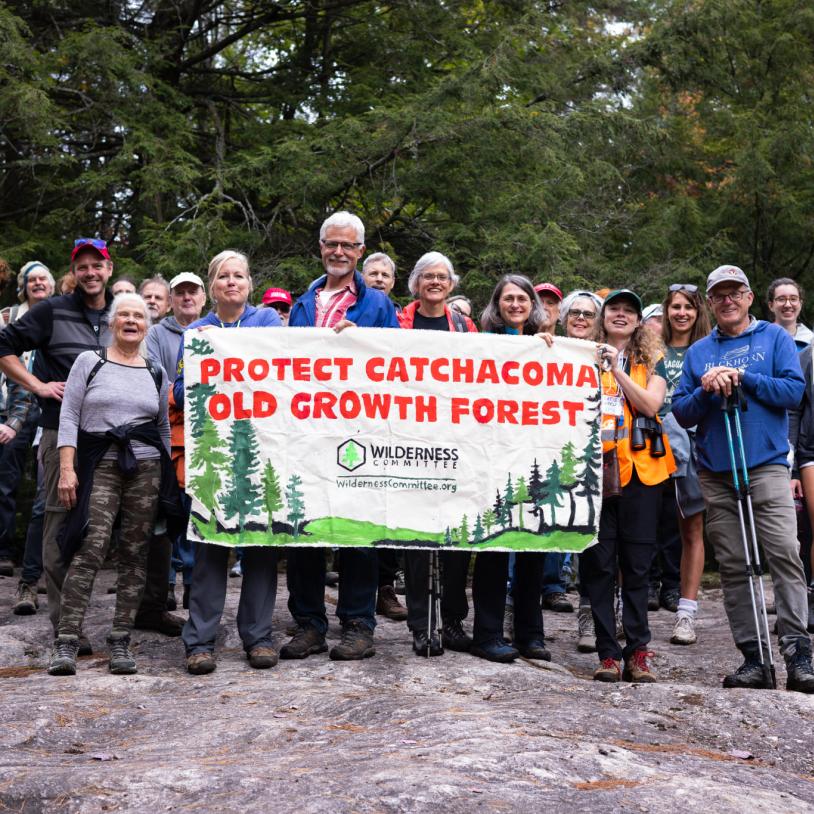
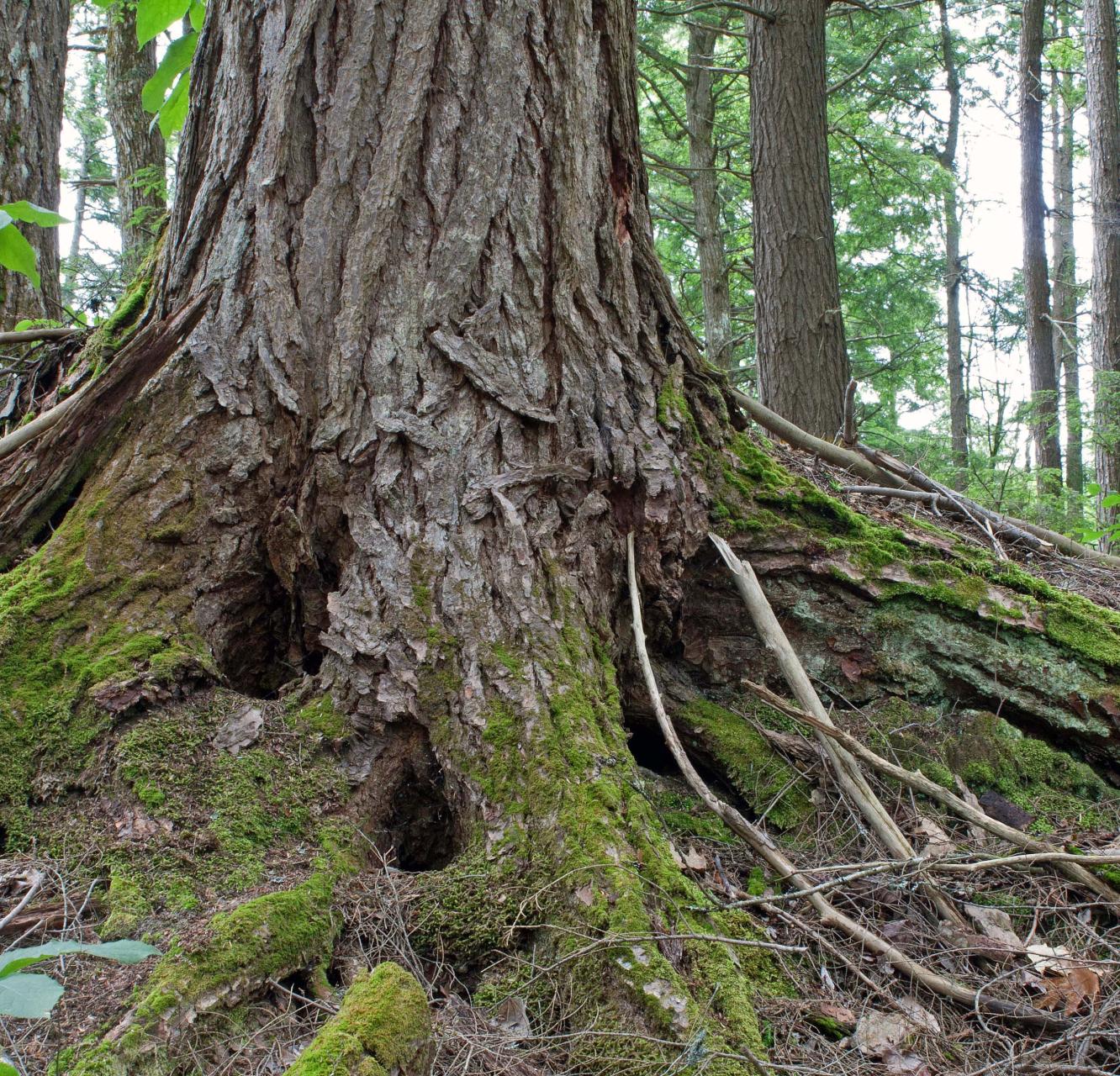
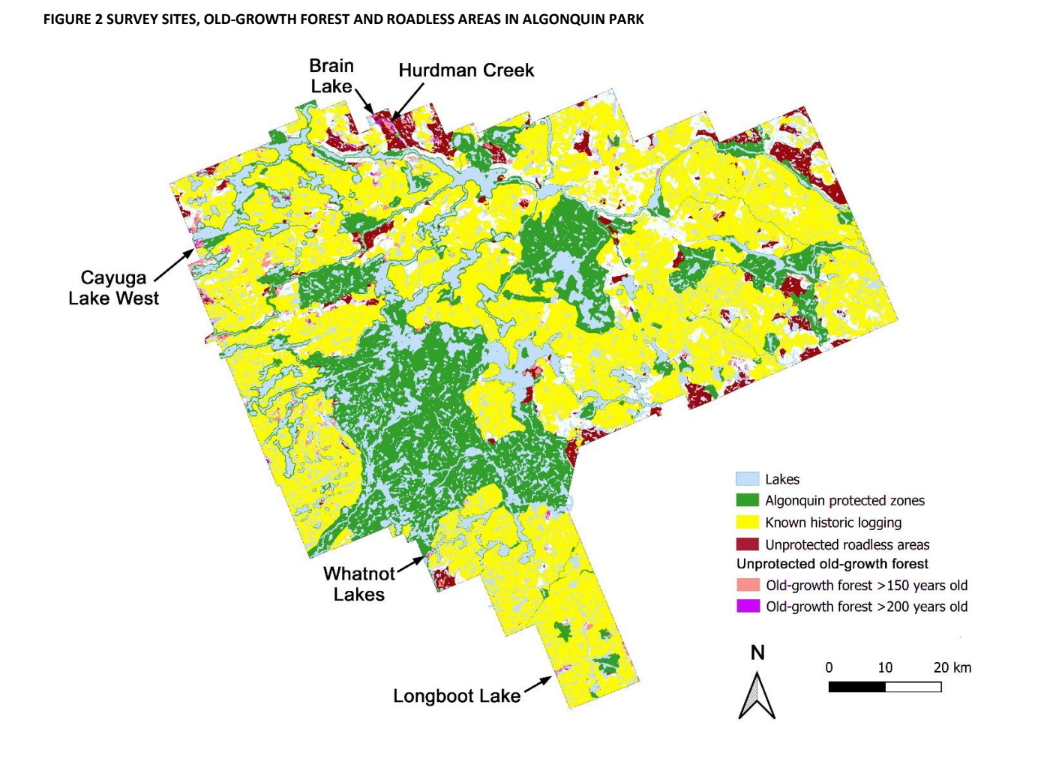
Since 2022 we’ve been working with ecologist Mike Henry, author of Ontario’s Old-Growth Forests and volunteers to get boots on the ground to survey potential old-growth forests in the 65 per cent of Algonquin Provincial Park that is open to logging. After crunching the data, we’ve identified five high quality old-growth forest stands in need of protection. They shelter trees up to 427 years old, more than 3 times older than the park itself. One of these stands is scheduled for logging within the next 6 years.
Read the full report here.
That 88 ha forest stand, located near Brain Lake in the north-western section of the park is currently allocated for logging in the 2021-2031 Algonquin forest management plan, putting it at imminent risk. The Brain Lake old-growth forest is also located within the largest unprotected roadless area in the park around Hurdman Creek. The Hurdman Creek roadless area is over 6000 ha in size and largely pristine, but only 13 per cent of it is protected from logging.
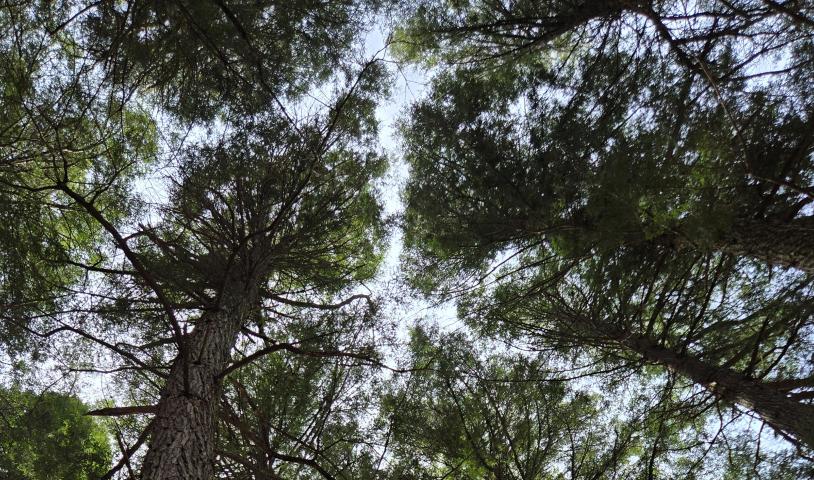
Old-growth forests were once common but are now incredibly rare. They have enormous ecological values including carbon storage and sequestration, wildlife habitat, genetic diversity, scientific research and inspiration.
Join us in calling on the Algonquin Forestry Authority to remove the Brain Lake site from logging allocation immediately and for all other identified and potential old-growth sites and roadless areas to be moved into protected areas over the next 5 years. This would increase the current area of Algonquin Park that is protected from 35% to approximately 50% and would represent a good first step in phasing out logging in Ontario’s most popular provincial park for good.