Newest B.C. forestry review fails to protect old‑growth
Monday, February 2, 2026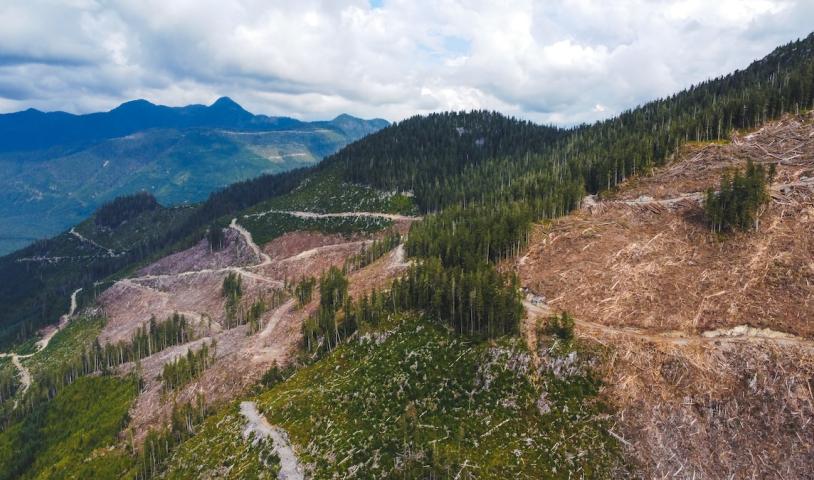
Provincial Forestry Advisory Council report recycles past reviews, continues “talk-and-log” in B.C.
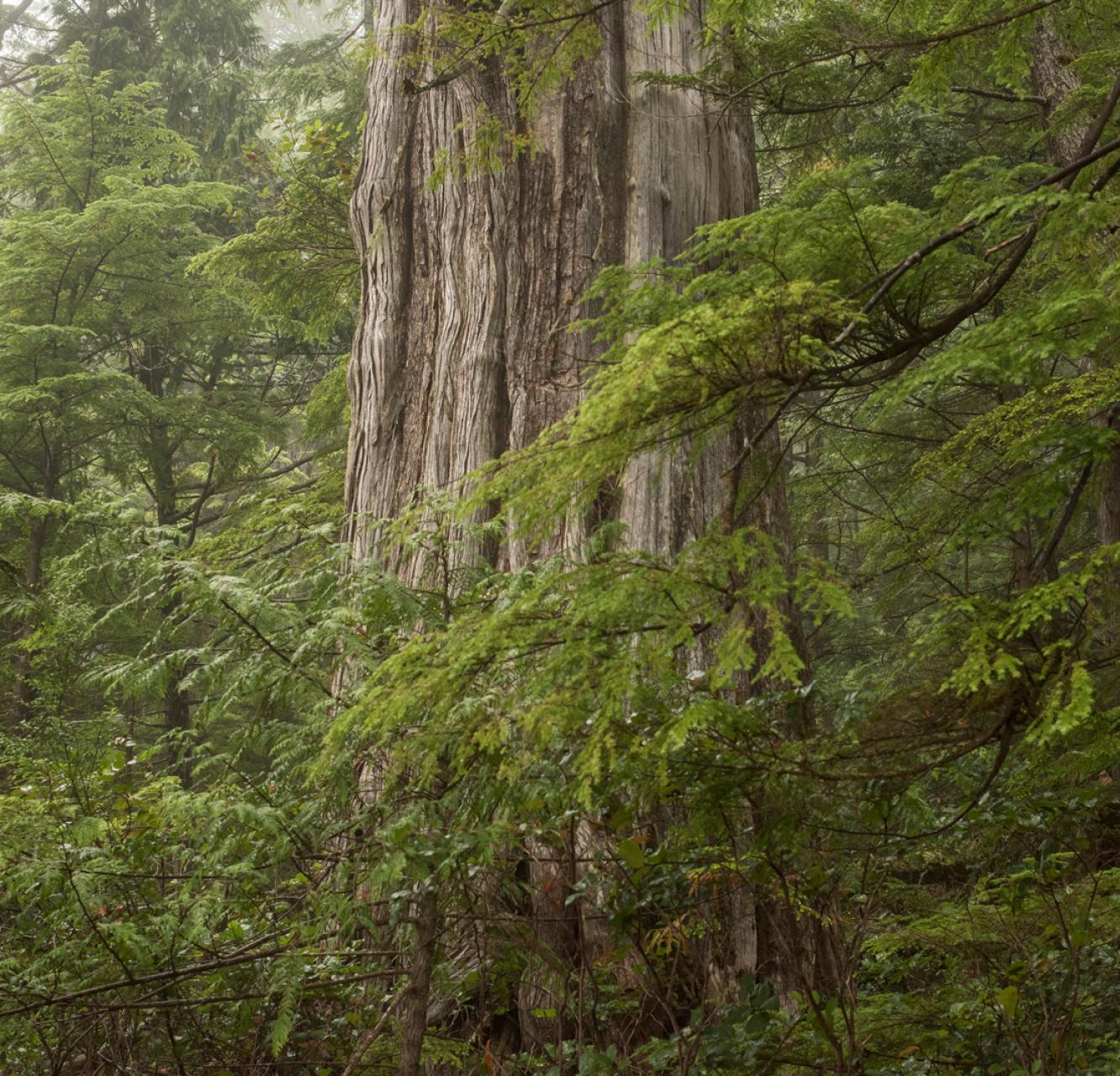
VICTORIA/UNCEDED lək̓ʷəŋən TERRITORIES — A new forestry report released yesterday, entitled From Conflict to Care: BC’s Forest Future, fails to address the destruction of threatened old-growth forests, despite repeated commitments from the BC NDP government to protect them.
The Wilderness Committee says overall, this latest review misses the mark completely. The policy framework that prioritizes timber as the highest value remains intact, which means the most threatened forest ecosystems remain on the chopping block.
Another review, another panel, while logging companies keep gutting old-growth forests; this is more talk-and-log,” said Forest Campaigner Tobyn Neame. “This report only shows urgency when it comes to the logging industry, while action for ecosystems continues to be subject to more reviews and multi-year timelines.”
This latest review was conducted by the Provincial Forestry Advisory Council (PFAC), an independent body created in 2024 as part of the cooperation accord between the BC NDP and the Green Party caucus. The Wilderness Committee is expressing frustration because more than five years after the landmark Old Growth Strategic Review was released, meaningful action to limit logging in the rarest forests remains missing.
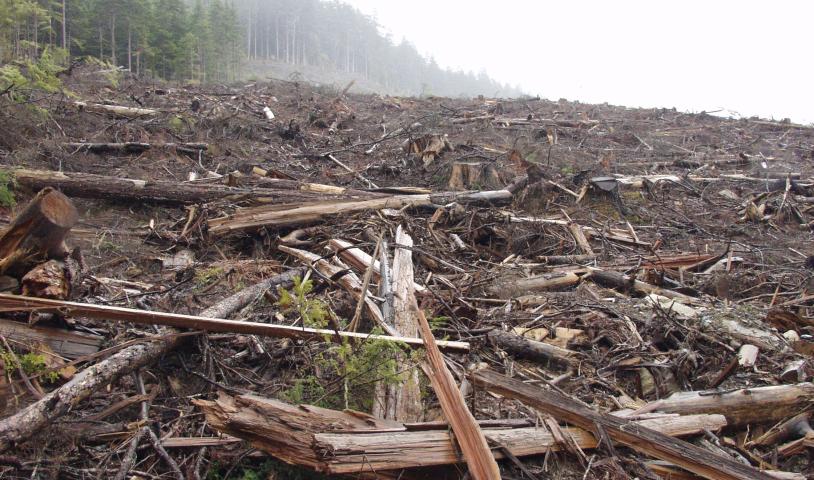
Instead of recommending immediate actions, the PFAC report focuses on administrative changes, regional planning, and industry stability, ignoring ongoing clear-cutting in non-renewable ancient forests and endangered species habitat across B.C.
How this newest report fails
Most of the report’s recommendations lack detail and direction about which values should be prioritized. For example, the report emphasizes the need to shift to regional-focused management and improve data and forest inventories. The Wilderness Committee says that without clarity and a clear overall goal to prioritize ecosystems, these changes may only further entrench the status quo of valuing forests for timber supply only.
The Wilderness Committee supports returning land and management authority to First Nations titleholders, and is glad to see the report's commitment to aligning forest policy with the provinces’ DRIPA legislation.
“Old-growth forests are important locally, but they also matter to people across British Columbia, the country and the world,” Neame said. “Concentrating planning and decision-making in regions where logging corporations and industry voices have outsized power without ensuring cultural and ecological values will be upheld is a risk.”
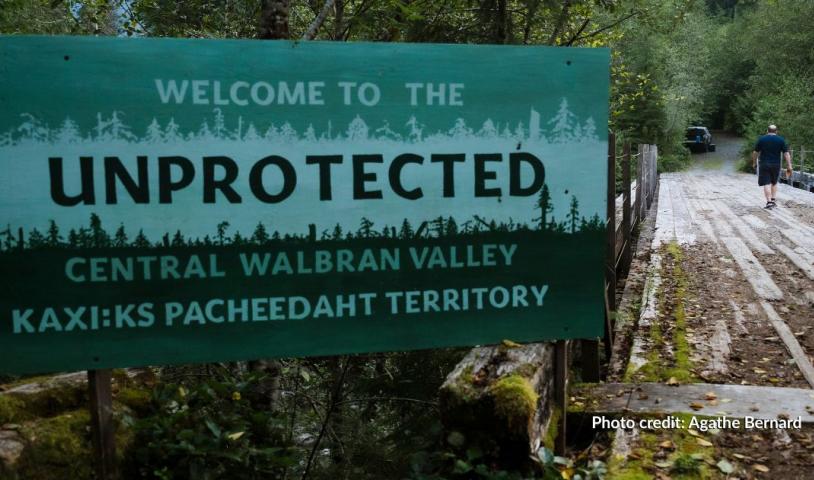
The release of the PFAC report comes as public conflicts continue in places like the Walbran Valley, where people are once again putting themselves on the line to protect forests they were told would be safeguarded.
“This report acknowledges that the status quo isn’t working, but it fails to address the root cause of both public conflict and economic instability, which is that the logging industry continues to cut down forests that cannot be replaced,” said Neame. “The problem isn’t caused by a lack of reports or recommendations or incomplete data, but by the fact that the province won’t limit logging in the most at-risk forests.”
The Wilderness Committee says ultimate responsibility for forests sits with Minister Ravi Parmar and the BC NDP government, and it will continue to put pressure on them to keep their word, while advocating for interim measures to protect threatened forests as well as adequate funding for long-term protection and sustainable economic planning.
-30-
For media inquiries, please contact:
Tobyn Neame | Forest Campaigner
tobyn@wildernesscommittee.org