Last large old‑growth forest on southern Vancouver Island off limits to public
Monday, June 22, 2026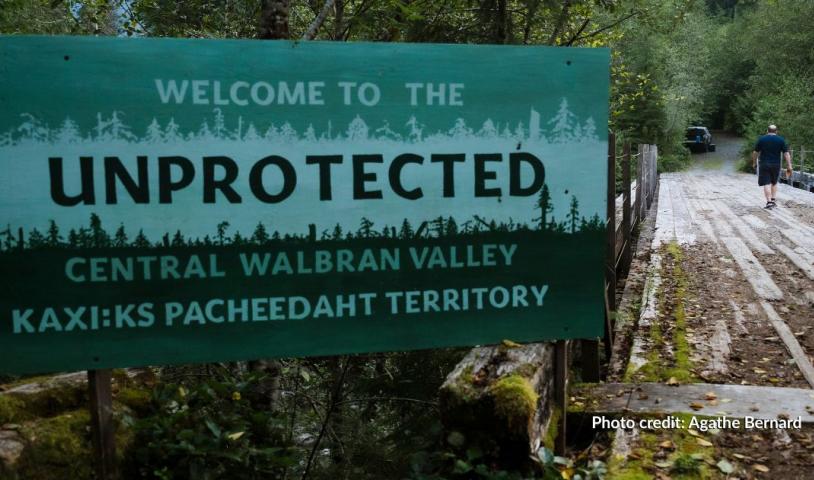
Provincial government allows logging companies to cut off Walbran and Carmanah Valley access
VICTORIA/UNCEDED lək̓ʷəŋən TERRITORIES — The B.C. government is currently restricting public access to the Carmanah Valley and Walbran Valley, the two largest intact old-growth forests on southern Vancouver Island. Logging companies blocked the entrance to the Walbran with a gate and failed to clear a 2025 landside preventing access into Carmanah, cutting off the only two routes into the area.
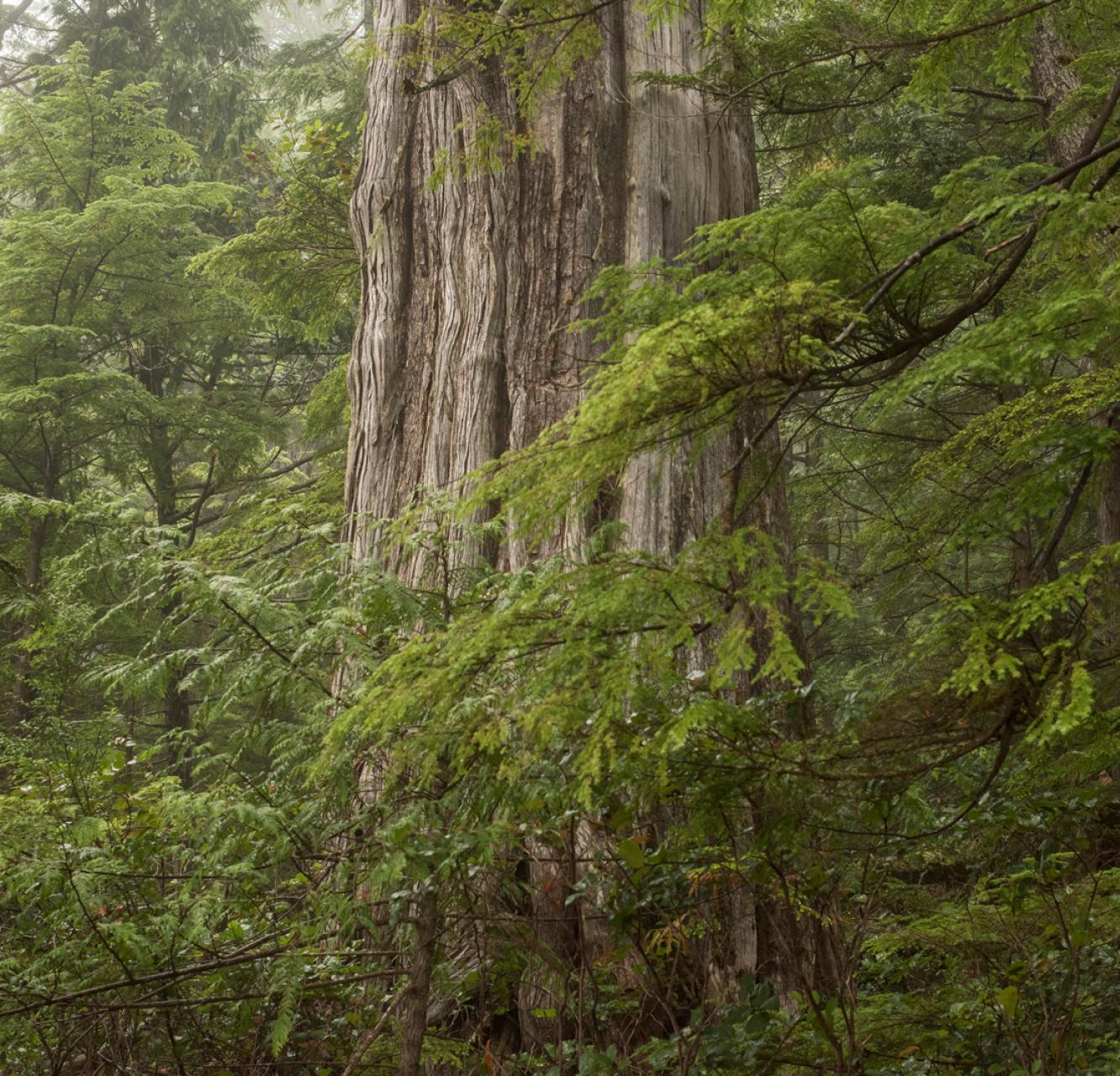
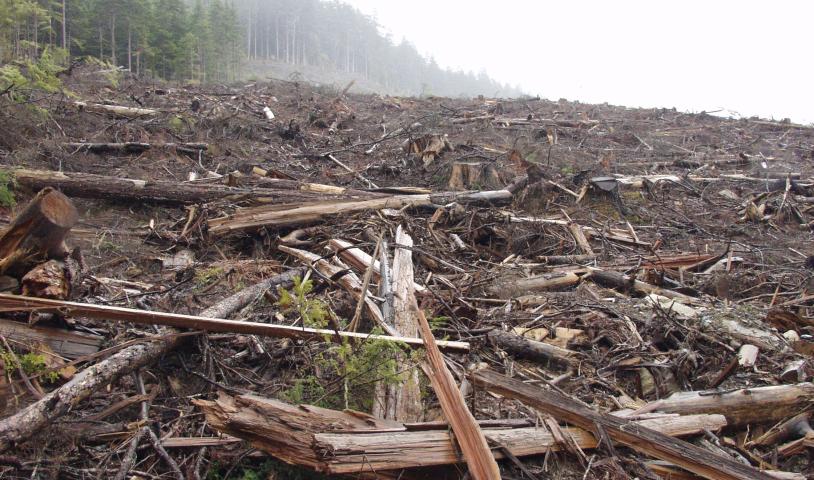
“Old-growth forests, especially low-elevation, big-tree rainforests, are incredibly rare and remote in the province,” said Wilderness Committee Associate Director Torrance Coste. “Blocking access to these places damages the relationship people have to the landscape and reduces understanding about what’s happening in the woods, which only benefits logging companies who don’t want people to know what is being lost.”
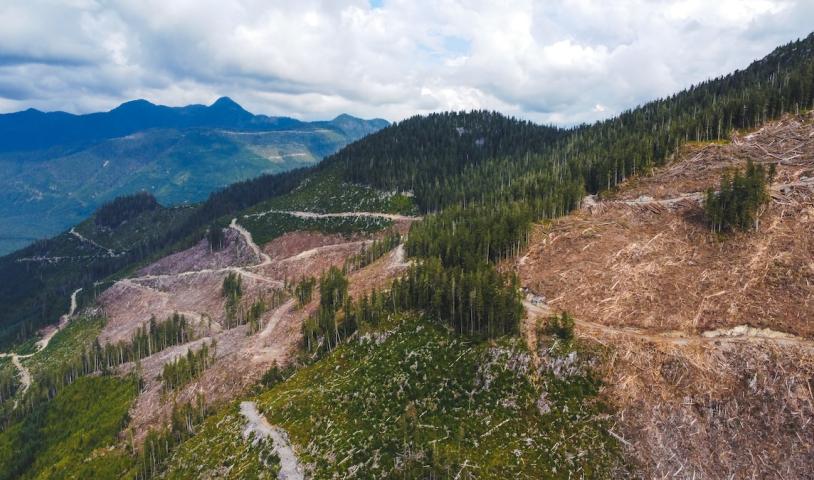
In March 2026 the B.C. government issued a permit to Tsawak-qin Forestry Inc. to install three gates in the Walbran Valley, in unceded Pacheedaht First Nation territory. The province states that public use of the roads could endanger property or public safety, while logging company operations are allowed to pass without restriction. Wilderness Committee mapping analysis estimates at least 84 hectares of old-growth forests are targeted for logging behind these gates, the equivalent of about 117 soccer fields.
"It's important to maintain access to these last remnants of ancient forest, not only for the public, but for the biologists and researchers who study and monitor the many endangered species that call these places home. Their work provides crucial data and knowledge in a time of climate change and also informs our democratic decision making on the future of these forests." — Peter Cressey, Friends of Carmanah-Walbran
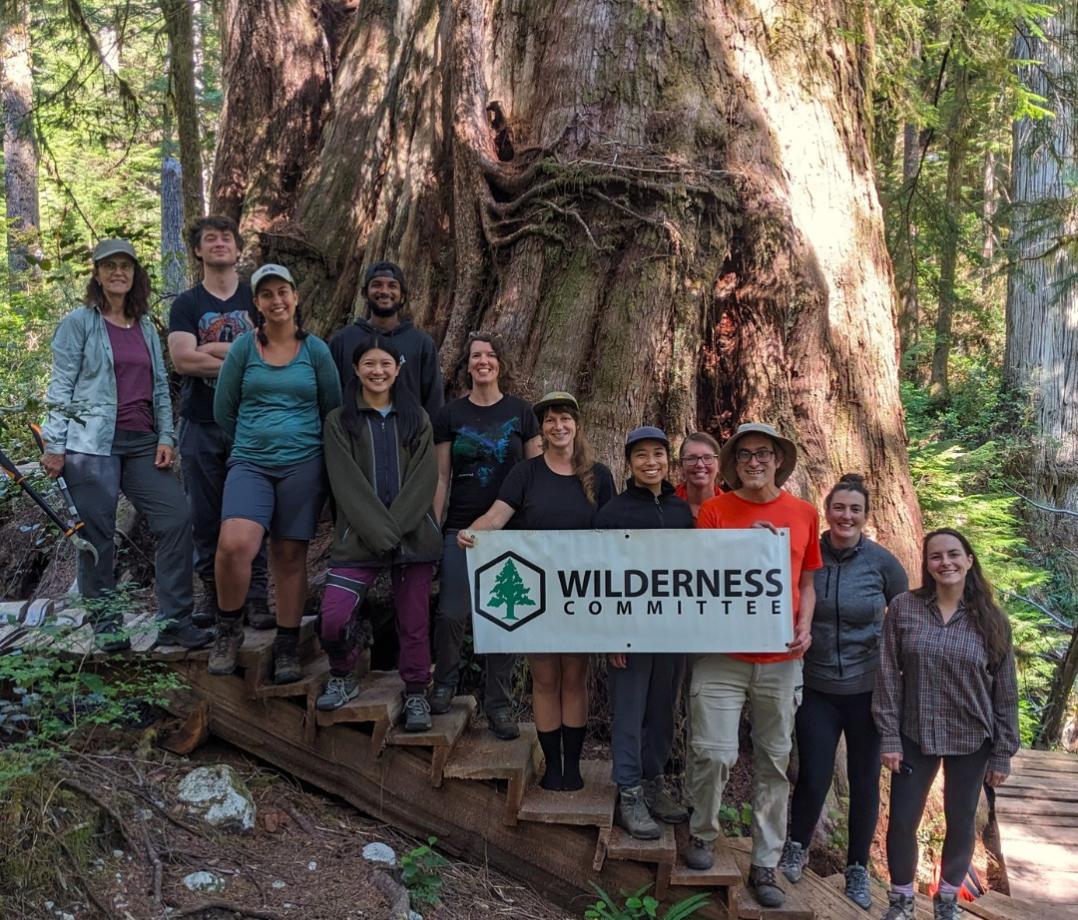
No access to Castle Grove
The gates prevent public access to the primary destination in the area, the Central Walbran Valley, where hundreds visit places like the Castle Grove and the Emerald Pool every summer. This area is currently under a logging deferral while the Pacheedaht First Nation develops a land use plan for its territory. The Wilderness Committee and grassroots organizations like the Friends of Carmanah-Walbran work in the Central Walbran throughout the summer, helping organize species surveys and other biological research to increase understanding and knowledge of the rare forest ecosystems.
"It's important to maintain access to these last remnants of ancient forest, not only for the public, but for the biologists and researchers who study and monitor the many endangered species that call these places home” said Friends of Carmanah-Walbran spokesperson Peter Cressey. “Their work provides crucial data and knowledge in a time of climate change and also informs our democratic decision making on the future of these forests."
"While the BC NDP government talks about the need for balance and for all values to be reflected in conversations about old-growth forests, it’s barring people from building and maintaining relationships to the land, limiting access to those who profit from logging," Torrance Coste, Associate Director, Wilderness Committee
Uncleared landslides since 2025
At the Carmanah Valley entrance, landslides that occurred in November 2025 have blocked the only road into Caramanah-Walbran Provincial Park and the expansive old-growth forest west of the Walbran Valley. This area was protected in the early 1990s following advocacy efforts from local First Nations, community members, the Wilderness Committee and other environmental groups. Officials with both BC Parks and the Ministry of Forests say there is no timeline for clearing all the landslides to allow access to the park. They also say responsibility to maintain the roads rests with logging companies and none are currently using the roads.
“It’s a huge concern that access to an iconic provincial park like Carmanah depends on whether or not a private company is logging next to the park,” said Coste. “While the BC NDP government talks about the need for balance and for all values to be reflected in conversations about old-growth forests, it’s barring people from building and maintaining relationships to the land, limiting access to those who profit from logging.”
The Wilderness Committee warns that this growing network of gates, road degradation and delayed repairs is creating a system where fewer people are able to experience old-growth forests firsthand, especially the remaining unprotected valleys. The organization is calling on the government to open the gates, remove the permits and fix the roads.
“When people can’t visit these forests, can’t walk through them and see what’s at stake for themselves, it becomes much easier for old-growth logging to continue out of public view,” said Coste. “Access is a critical part of building public understanding and support for protecting what little remains.”
–30–
For more information please contact:
Torrance Coste | Associate Director, Wilderness Committee
torrance@wildernesscommittee.org
Peter Cressey | Friends of Carmanah-Walbran
demarmont@yahoo.ca