New national project designation for Vancouver port is a path to extinction for southern resident orcas
Friday, October 30, 2026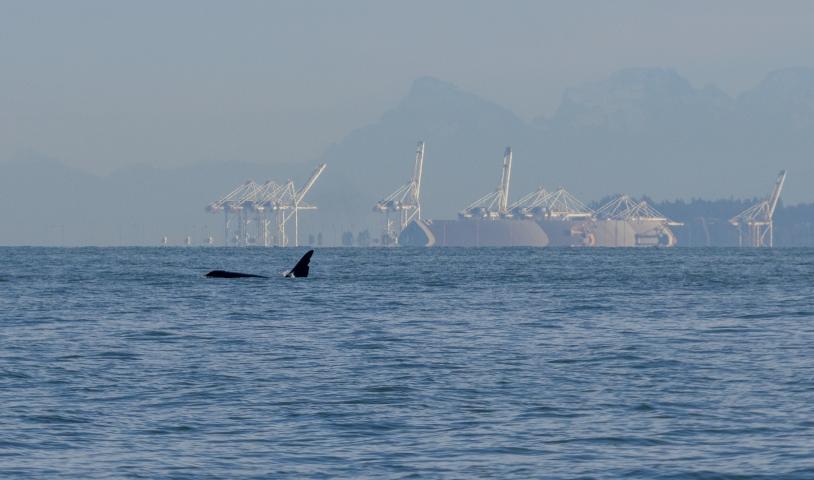
Wilderness Committee says designating Roberts Bank Terminal 2 expansion as a project of national interest is rushing approval while its missing key permit
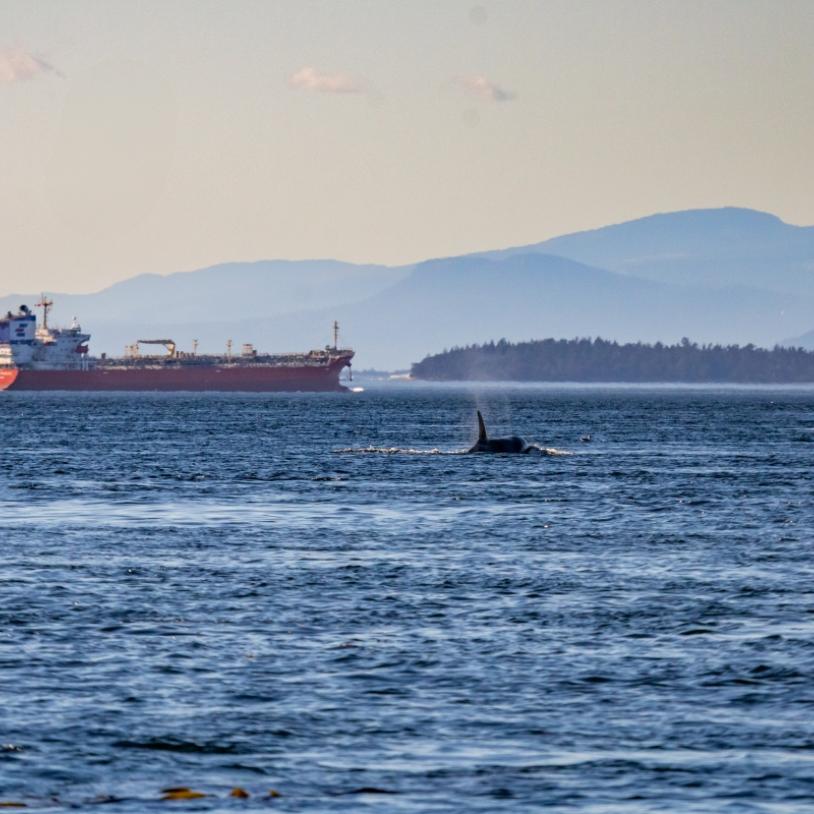
VANCOUVER / UNCEDED xʷməθkʷəy̓əm, Sḵwx̱wú7mesh AND səlilwətaɬ TERRITORIES — Wilderness Committee is condemning the designation of the Roberts Bank Terminal 2 expansion (RBT2) as a project of national interest (PONI), announced just two days after the project was expected to receive a decision on its Species at Risk Act (SARA) authorization. The timing raises serious concerns that the designation is being used to evade the project’s final, and arguably most important permit, and with it responsibilities to avoid the extinction of the endangered southern resident killer whales.
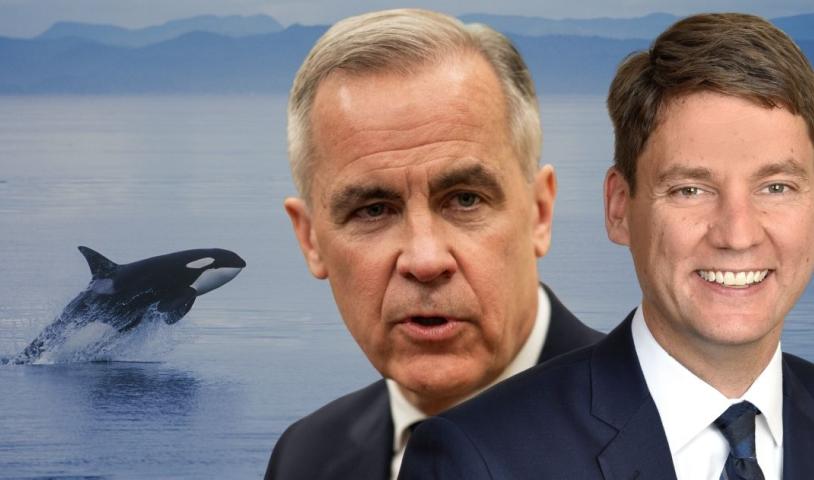
“Extinction is a political decision Prime Minister Mark Carney has shown he’s quite comfortable with, now reaffirmed by the PONI designation for Alberta’s Pacific Link pipeline and the Robert’s Bank Terminal 2 expansion,” said Conservation and Policy Campaigner Lucero Gonzalez. “The extinction of the endangered southern resident killer whales will not be an accident. It will be the result of political choices, one of which was made today. It is a decision that we cannot afford to accept, and we will not.”
Circumventing SARA
Last year’s Building Canada Act and the proposed Bill C-39 will make it possible for Canada to ignore the advice of Fisheries and Oceans Canada if it refers to a project not meeting the requirements for the SARA authorization. Announcing the designation two days after the department’s expected decision on its SARA permit could mean that the department was not able to justify granting the permit and a PONI designation was the only viable way to bypass that.
The Wilderness Committee says the threat to the southern resident killer whales’ survival does not stop at one megaproject, and is compounded by the likely use of the terminal as the end point of the Pacific Link pipeline and by the weakening of environmental protections and regulations in the proposed Bill C-39. Under the proposed bill, the Pacific Link pipeline could also avoid an environmental assessment process and responsibilities under SARA. This could mean the cumulative impacts of both projects on endangered southern resident killer whales are never fully assessed, while the very safeguards designed to prevent their extinction are weakened or bypassed.
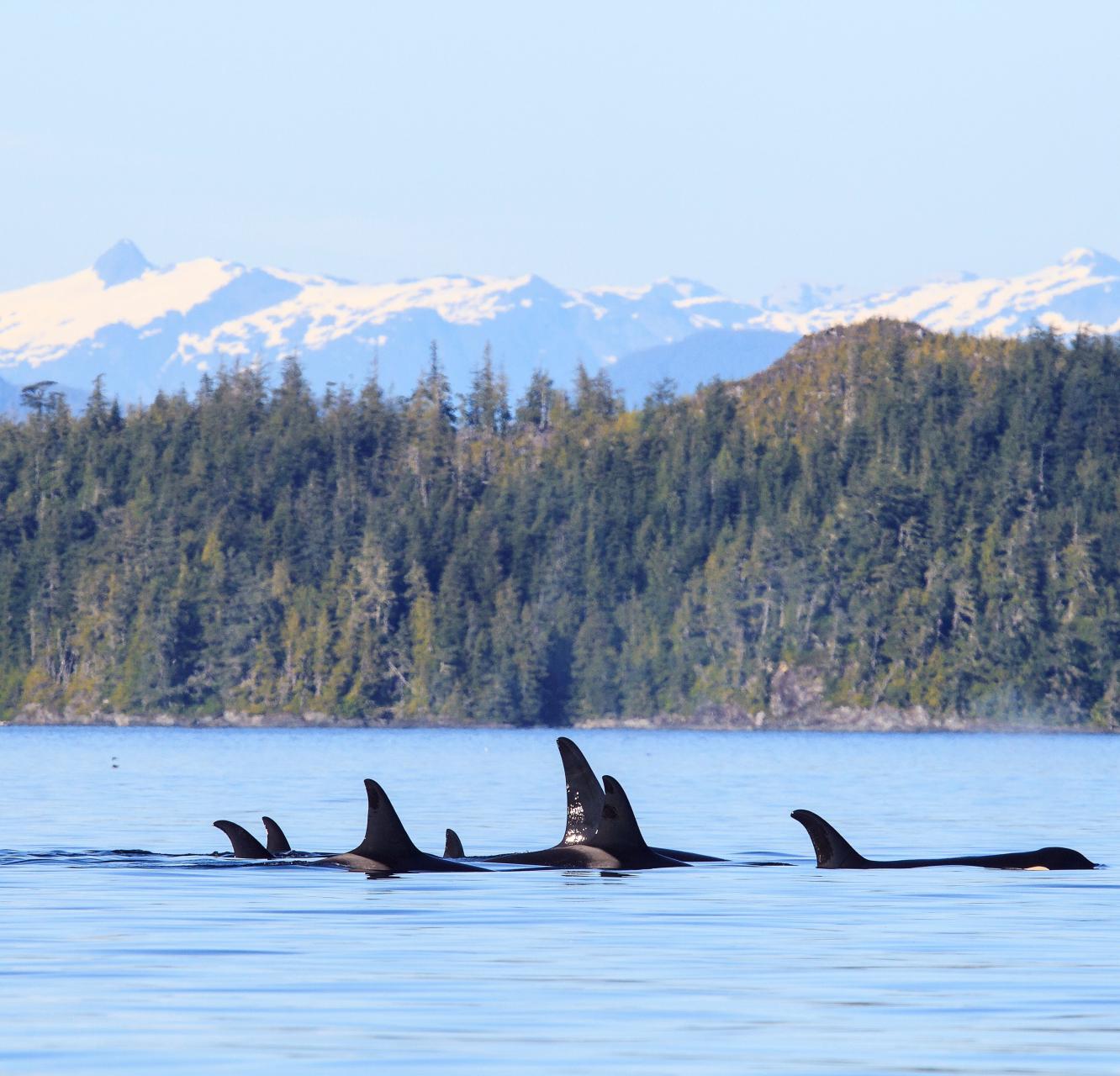
“We demand that both the Roberts Bank Terminal 2 project and the Pacific Link pipeline be subjected to the full extent of the requirements under the Species at Risk Act, including an assessment of the cumulative effects of both projects,” said Gonzalez. “If either or both projects cannot prove that their activities will not jeopardize the survival of the species, they must be rejected. Anything less puts the potential extinction of the remaining 76 southern resident killer whales in Mark Carney’s hands.”
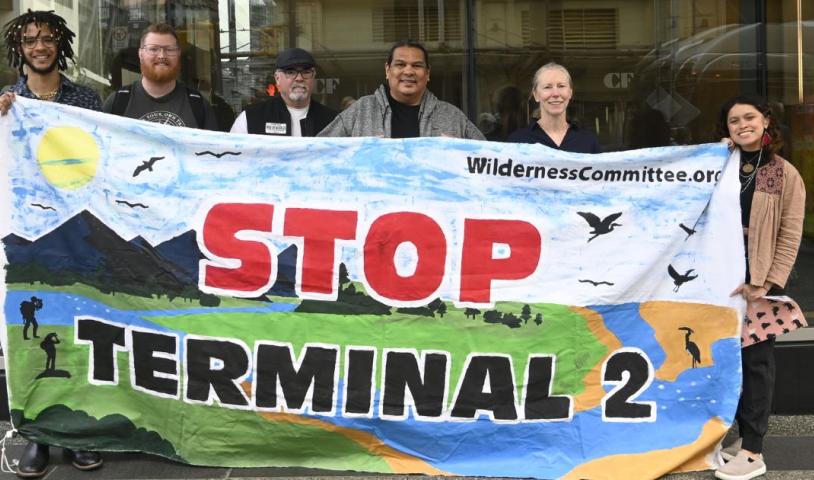
The Wilderness Committee has fought against the RBT2 proposal and new pipelines to the west coast for years, and the organization will continue to work with lawyers, scientists, First Nations, unions and communities to defend the Salish Sea and its biodiversity.
-30-
For more information please contact:
Lucero Gonzalez | Conservation and Policy Campaigner
lucero@wildernesscommittee.org