If old‑growth forests are worth more standing, First Nations should benefit
Thursday, October 22, 2026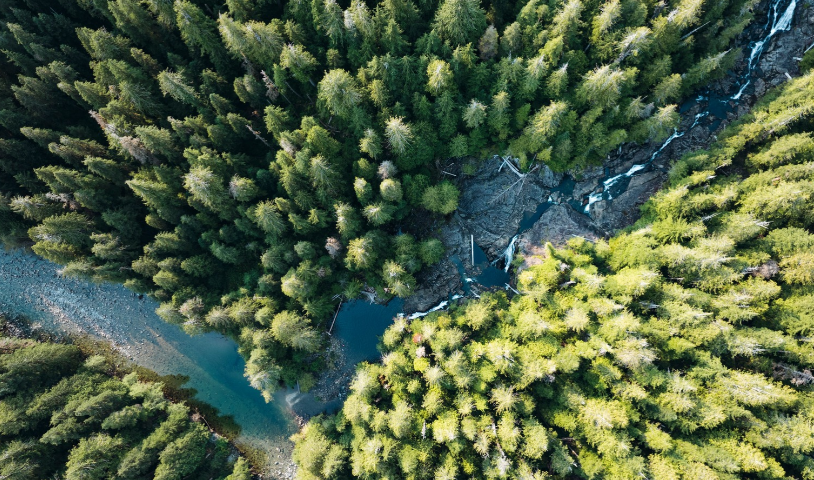
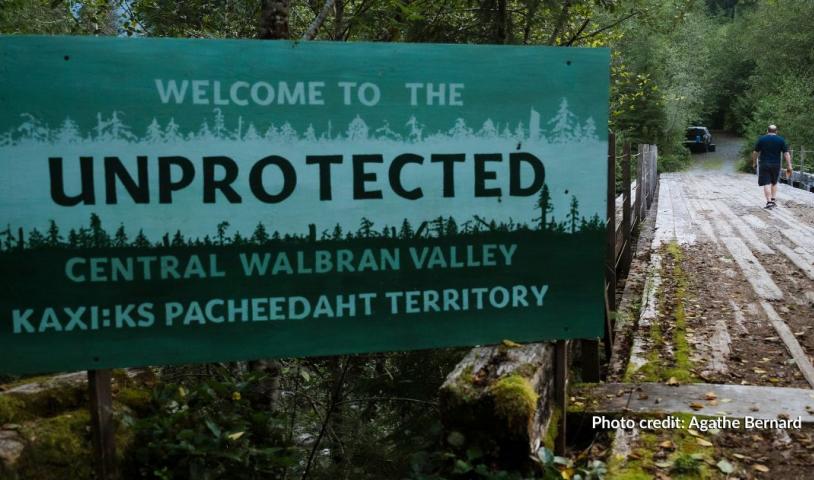
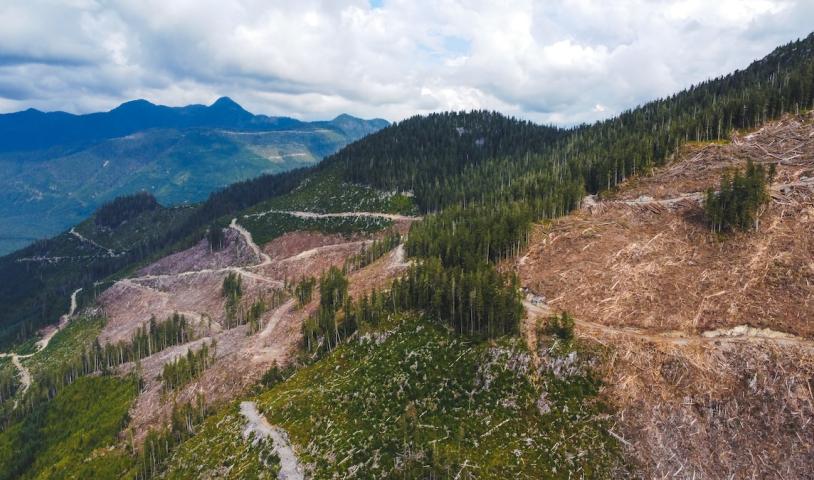
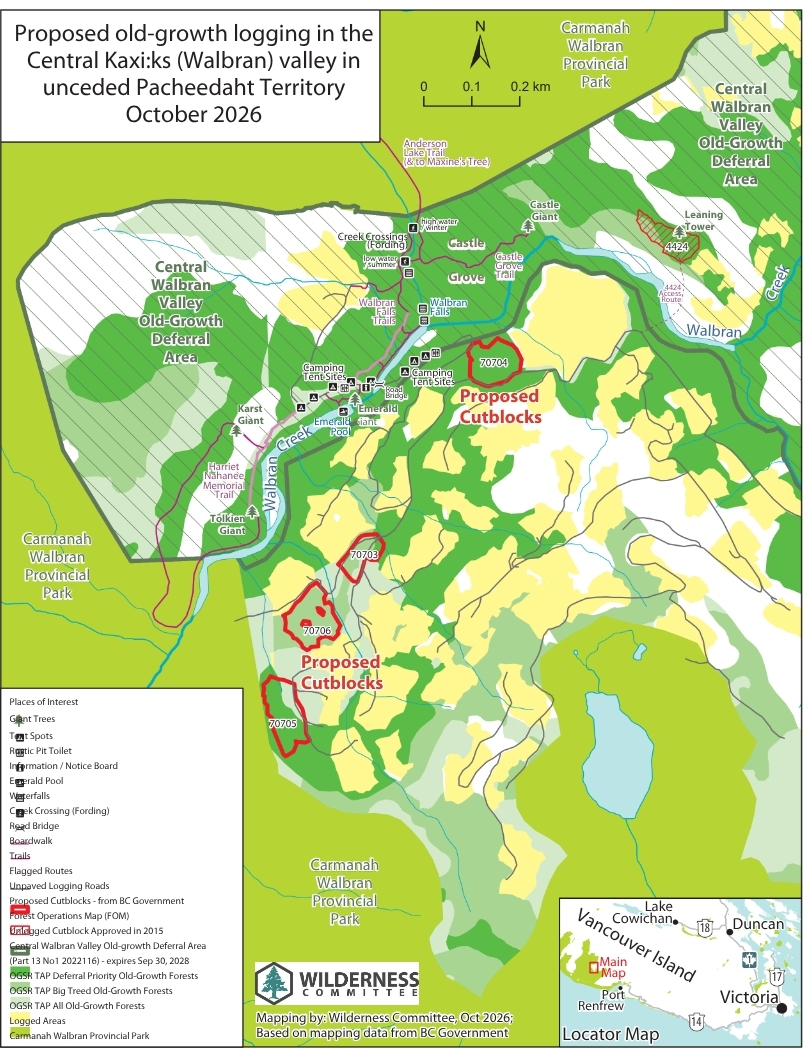
Four new cutblocks are being considered in at-risk old-growth forest directly adjacent to the most important recreational area in the Walbran Valley, or Kax:iks. This valley is unceded Pacheedaht territory, and the company proposing this cutblock is Pacheedaht Forestry Ltd.
As the new Forest Campaigner at the Wilderness Committee, I am grappling to find the right way to talk about a place we’ve worked to protect for decades in a way that’s respectful, appropriate and in line with the organization’s and my own values on First Nations Rights and Title. Until recently, the Pacheedaht were excluded from the benefits of both conservation and logging alike.
While the Central Walbran Valley is a globally ecologically significant old-growth forest that is irreplaceable, this conflict is not a binary of logging versus deferrals. It remains the responsibility of B.C.’s provincial government to follow through on both their commitments: to DRIPA and the promises they made to protect old-growth forests.
The complicated reality we need to grapple with
In the 1990s, Carmanah Walbran Provincial Park was established without consultation or consent from the Pacheedaht First Nation. Like many First Nations, Pacheedaht has spent the decades since working to reestablish their jurisdiction on their territory, participating in and leading economic activities across different sectors. The Wilderness Committee supports the right of Indigenous Peoples to self-determination and sovereignty, and we also appreciate the pressures that lead some First Nations to cut remaining old-growth forests.
In a paper by Simpson et al. (2026) that explores the relationship between Indigenous sovereignty and Indigenous forestry, they write “Pacheedaht leadership may have taken a tactical decision to engage in industrial forestry as an adaptive strategy in pursuit of their ultimate objectives of asserting sovereignty over their territories, governing their lands in accordance with their own laws and sacred principles, and healing their homelands over longer temporal horizons.”
The province is not doing enough
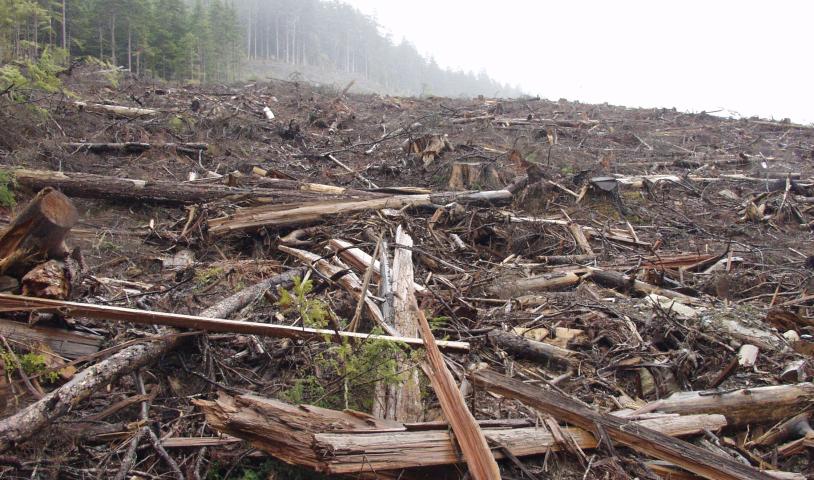
The crisis of old-growth in B.C. today is because of logging mismanagement led by the provincial government over decades — not because of logging by First Nations.
The BC NDP government committed to protect at-risk old-growth forests when it released the landmark Old Growth Strategic Review in 2020. They have a responsibility to honour this commitment by ensuring old-growth protection does not come at the expense of First Nations and local communities. It’s not enough to simply acknowledge the importance of old-growth and state commitments to protect it: the B.C. government needs to acknowledge the economic and self-determination incentives First Nations have to participate in old-growth logging, and engage with Nations on alternative ways to increase both their leadership of economic development and their authority over their territories. The provincial government has the ability to return land through reconciliation agreements and to ensure long-term conservation of old-growth forests is economically beneficial through conservation funding and other investments.
We are calling on the province to work with Pacheedaht and other First Nations to find alternative financial opportunities that provide similar benefits and allow them to preserve old-growth on their territory. Conservation financing and tribal parks designations are possible routes.
Deferrals and protected areas should never come at the expense of First Nations, and unfortunately they very often have in the past. We believe the only path forward is a just one that centres First Nations’ right to self-determination. If a Nation chooses to cut old-growth, that is their choice to make. But the provincial government can and should do more to prioritize offering ample alternative opportunities for First Nations to achieve economic security and accelerate the inevitable transition away from logging the last remaining old-growth forests.
The Central Walbran Valley is special
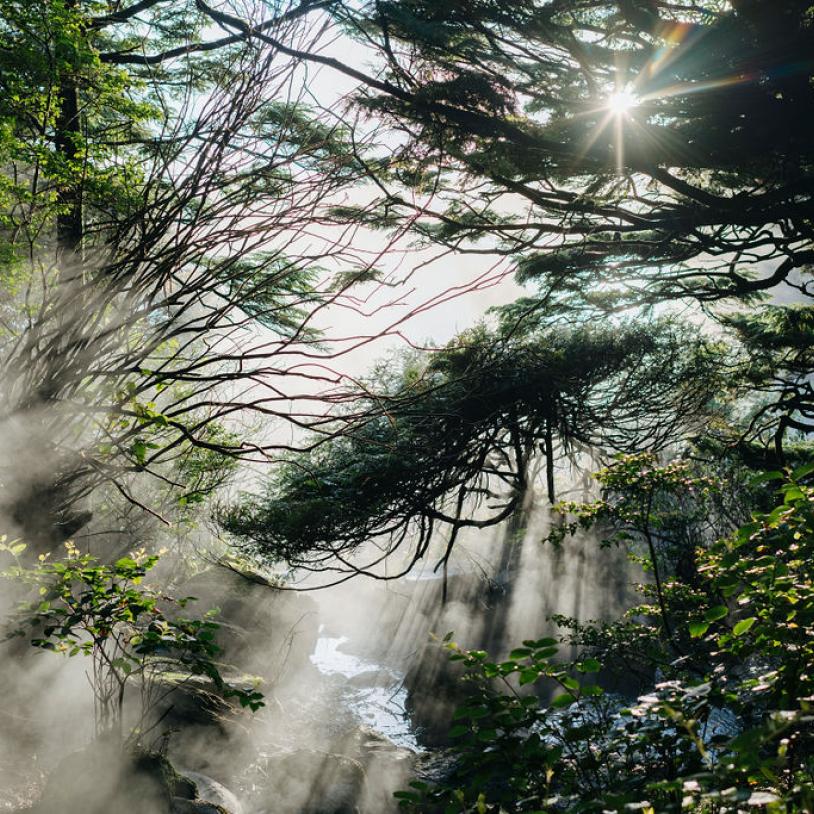
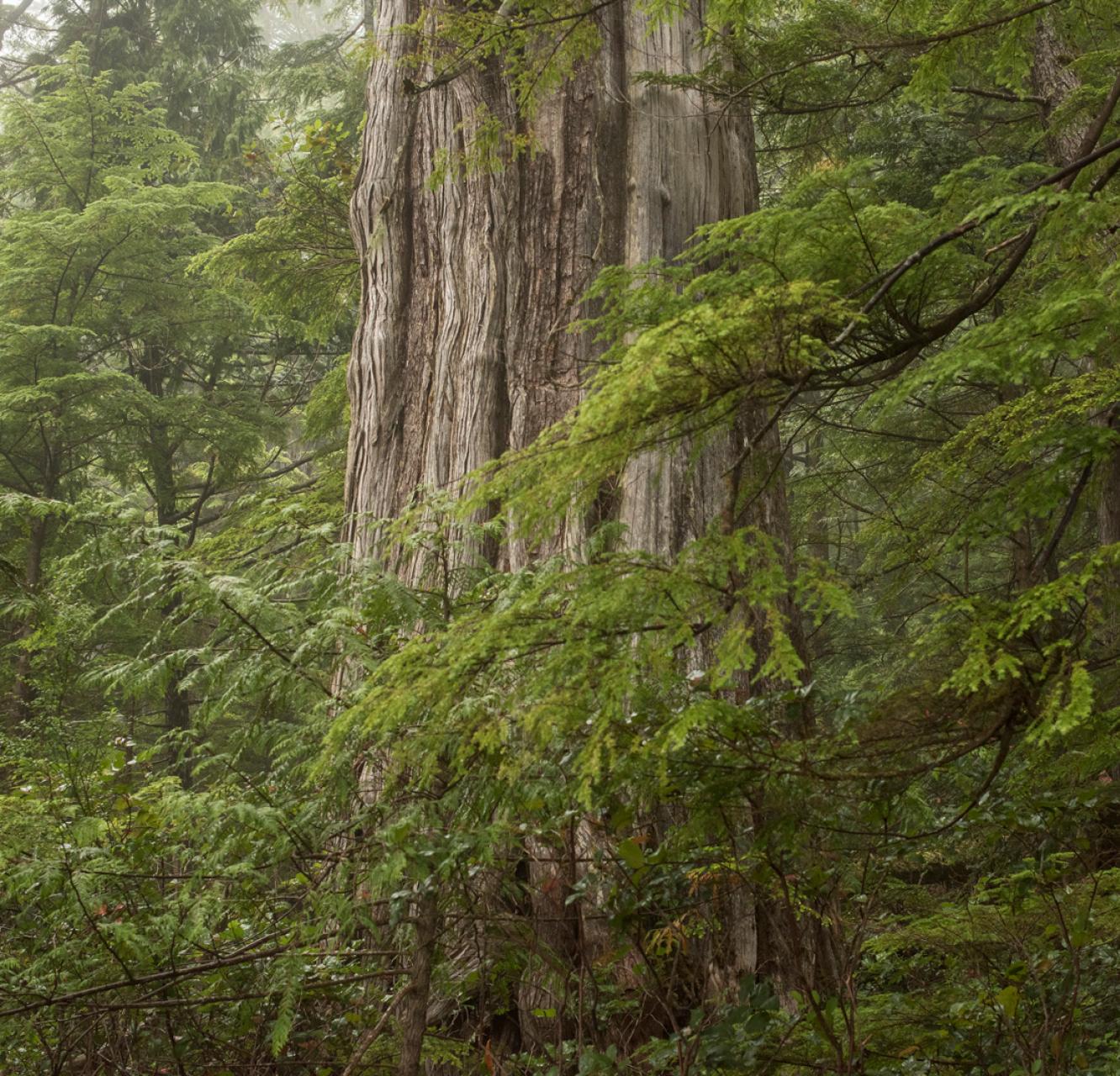
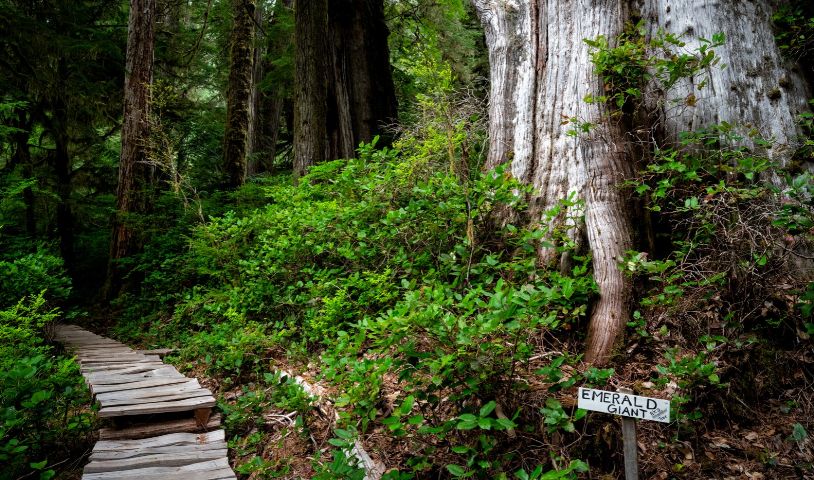
The Walbran Valley has long been at the centre of the conversation around old-growth forests in B.C. Loved by scientists and conservationists, and sought after by loggers since the mid 1990s, this valley is home to some of the biggest trees, richest biodiversity and most spectacular groves of ancient forest in the whole country.
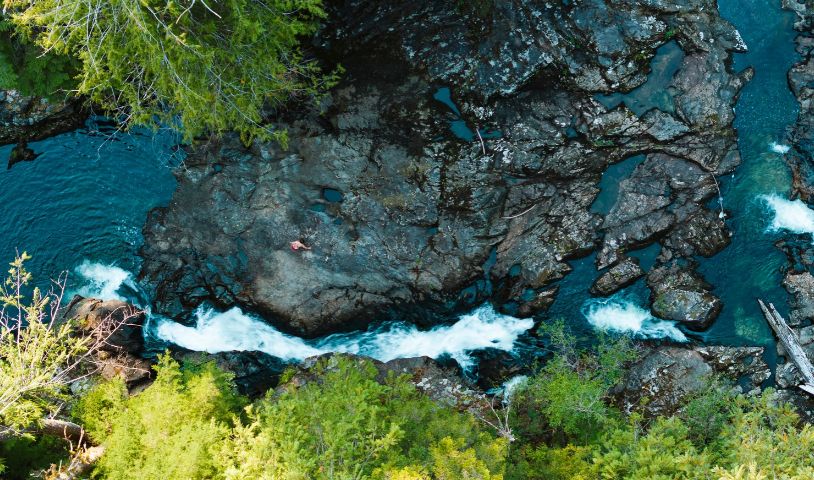
In 1990, the provincial government added the lower portion of the valley as well as much of the Walbran River’s north fork to the provincial park to preserve the neighbouring Carmanah Valley. But the central part of the Y-shaped river valley, where the forks converge, was left out. This area contains wide, crystal-clear pools and is jam-packed with monumental cedars. Over the decades, families, scientists and recreationalists have used this part of the valley extensively and established a series of trails, boardwalks, campsites and other infrastructure here.
As surrounding old-growth forests continue to dwindle, the economic pressure to log rare and valuable giant trees has pushed chainsaws closer and closer to the heart of the Walbran. The loss of old-growth forests like the Central Walbran has profound consequences, as their absence exacerbates many climate catastrophes such as wildfires, droughts and flooding. In addition, the valley is home to at-risk marbled murrelets and western screech owls, and is connected to watersheds that support Pacific salmon runs.
Opportunity for the public to weigh in
The way the government sets up public comment portals is often notoriously complicated. We have done the research and provided arguments to protect remnant old-growth forests in the Central Walbran Valley and listed them below.
We encourage folks who’ve read this blog to submit a comment given this deeper context, and hope for a just and lasting resolution to the conflict over old-growth logging on Pacheedaht territory and beyond.
How to submit a comment
Step 1: Click this link to go to the government website
Step 2: Once on website - click "submit a comment" (top left corner)
Step 3: Select “Overall FOM”
Step 4: Add your comment in the box (under 4,000 characters)
Refer to the points to consider below to edit or add in your comment
- The B.C. government needs to acknowledge the economic and self-determination incentives First Nations have to participate in old-growth logging, and engage with Pacheedaht First Nation on alternative routes to old-growth logging to increase both their leadership of economic development and their authority over their territories.
- Approving cutblocks in the Central Walbran Valley would result in the permanent loss of some of the last remaining slivers of intact ancient old-growth forests, have profound consequences for nesting sites of at-risk marbled murrelet and western screech owls, and harm the ecological function and structure of the Walbran Creek watershed.
- The Province of B.C. committed to protecting at-risk old-growth ecosystems in the Old-Growth Strategic Review 2020. The cutblocks proposed in the Central Walbran are directly located in these recommended deferral zones and the province needs to follow through on their promises.
- The four cutblocks (70703, 70704, 70705 and 70706) in the Central Walbran Valley are located within an ecologically and recreationally significant site that attracts visitors from all over the world to connect with old-growth rainforests — this landmark will be missed heavily.
- The Ministry of Forests needs to prioritize ecosystem health and recreational values, recognizing that old-growth forests in the Central Walbran Valley are climate heroes, and halt short-sighted timber extraction.
- Securing immediate funding is critical for offsetting any economic impacts of deferrals for First Nations and forest workers, and pursuing permanent protection of at-risk forests like those in the Central Walbran Valley.