B.C. Government’s “working forest model” only works for logging companies
Tuesday, September 22, 2026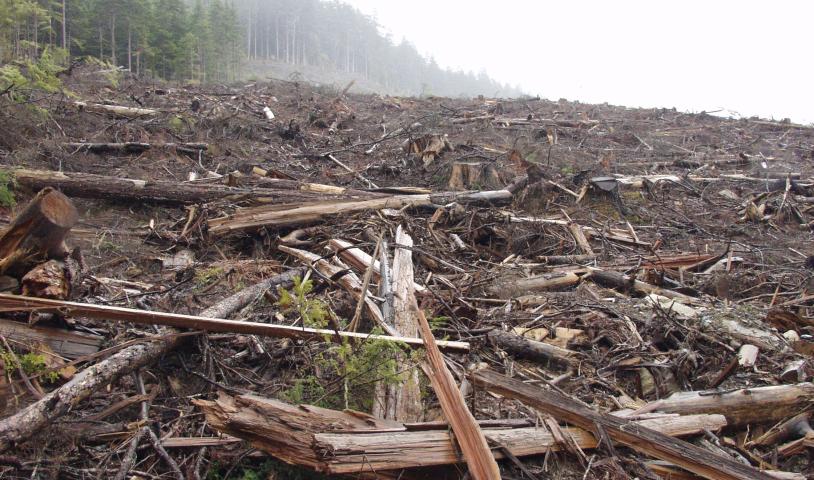
Under “no net loss” approach, land can only be added to protected areas if other protected land is rezoned for logging
In the weeks before calling a snap election, the B.C. provincial government began barrelling ahead with a proposed Working Forest Landscape Model, which will lock large parts of the province's forests into guaranteed logging zones, where no future conservation can happen.
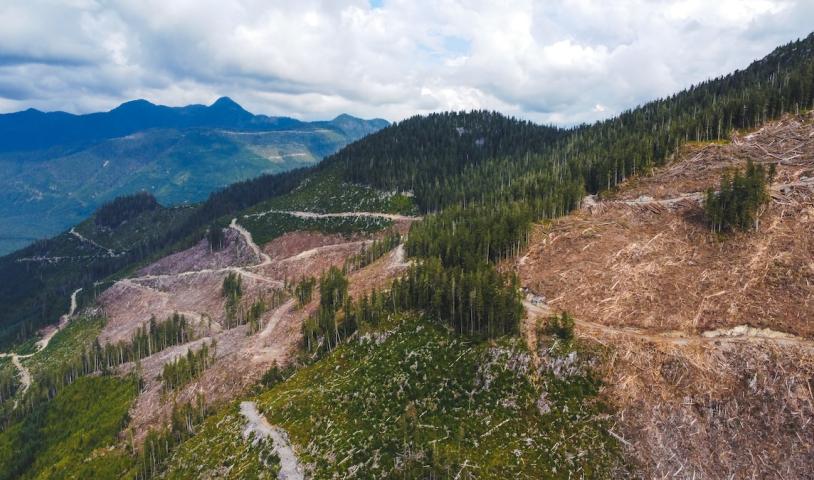
The scheme divides forests into three zones, where Zone 1 is the “working forest” that allows logging companies to cut 45 million cubic metres of timber every year. This is a 50 per cent increase from the current level of around 30 million. Zone 2 is “multiple use,” where restoration and logging could occur simultaneously. Finally, Zone 3 is for “conservation and protection.” Alarmingly, the government’s early communication about this process includes the “no net loss” goal, where land can only be added to protected areas if other protected land is rezoned for logging.
BC NDP once killed the working forest landscape model
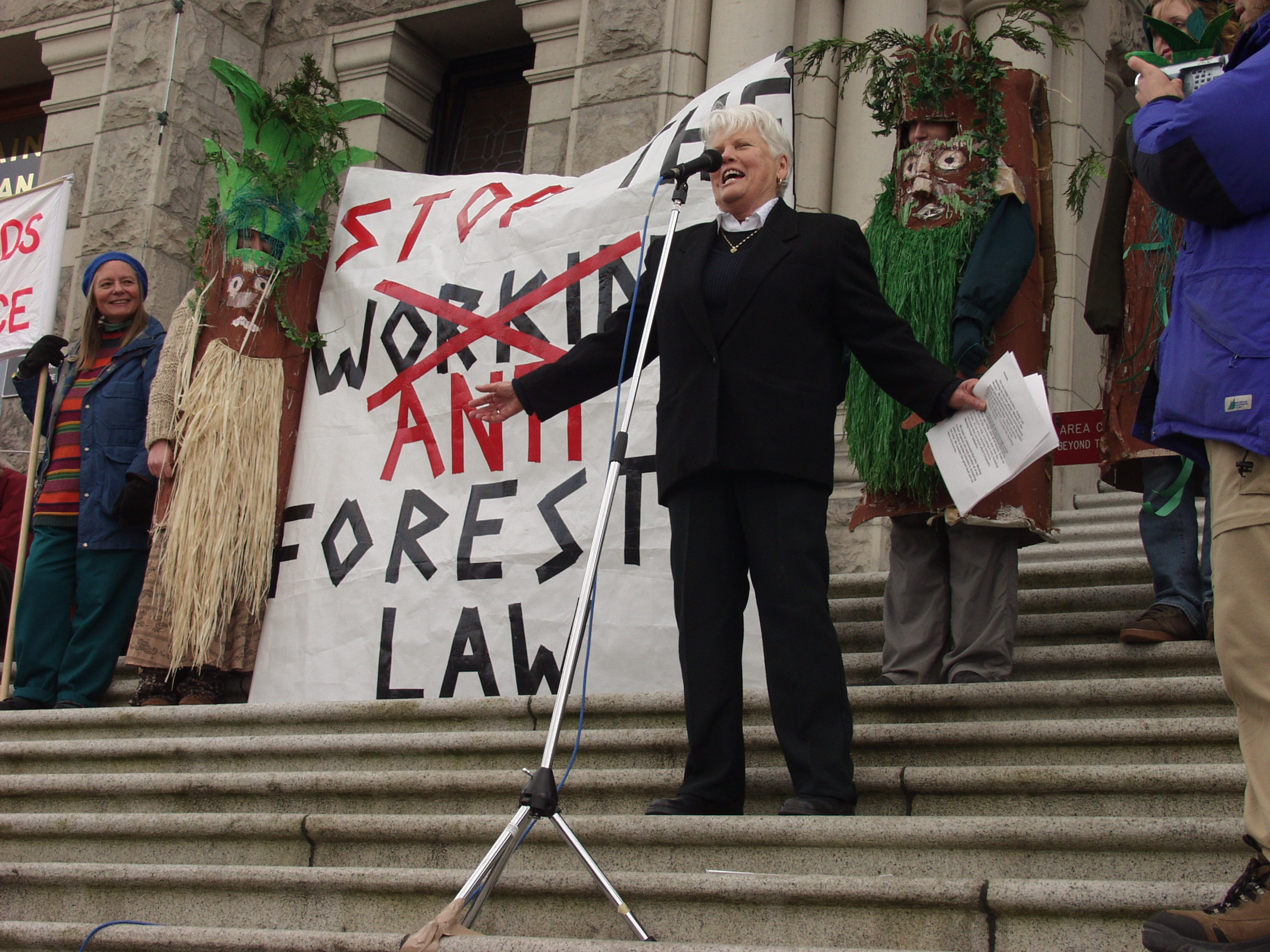
Back in the early 2000s, the Wilderness Committee joined communities, First Nations and other organizations to fight and defeat the original Working Forest proposal. The BC NDP, then in opposition, was part of the broad push (page 11, Raising the Bar on Public Policy) to kill the designation. It was a bad idea then, and it remains a bad idea now. For example, consider a town dealing with major flooding challenges in the future, wanting to protect their watershed as part of their climate resilience efforts. If the watershed is locked into the Working Forest guaranteed logging zone, then the province would have to revoke protected area status in another part of the woods to save their watershed, all to allow logging corporations to achieve their unsustainable 45 million cubic metre annual cut.
The three-zone approach was one of the recommendations in the landmark Old Growth Strategic Review (OGSR) in 2020, where the report urged B.C. to adopt a “forest management framework to guide forest planning and decision-making.” While a three-zone approach could be done appropriately if areas are selected for conservation and restoration, the Working Forest model centres investors and falsely conflates numbers of jobs with the extent of available land to log.
The three-zone approach recommended in the OGSR instead emphasises zoning to prioritize conservation and establish legally protected old-growth zones that are selected because they support high levels of biodiversity. Nowhere in the OGSR is the Working Forest model included in the 14 recommendations.
Working forest model lacks transparency
The BC NDP government’s early communication about this radical change is vague and lacking in detail. The first of four initial “candidate areas” was announced in mid-September, with a rough location given in northeast Vancouver Island, but no maps, information about a structure for engagement, or detailed goals were provided.
In announcing the plan, Forest Minister Ravi Parmar stressed the priority of “reducing red tape,” which is shorthand for reducing the application and permitting process that gives communities a chance to learn about planned logging before it happens. Another priority announced, “providing greater certainty” is meant for logging companies, which means lowering the province’s ability to protect threatened forests and safeguard endangered species.
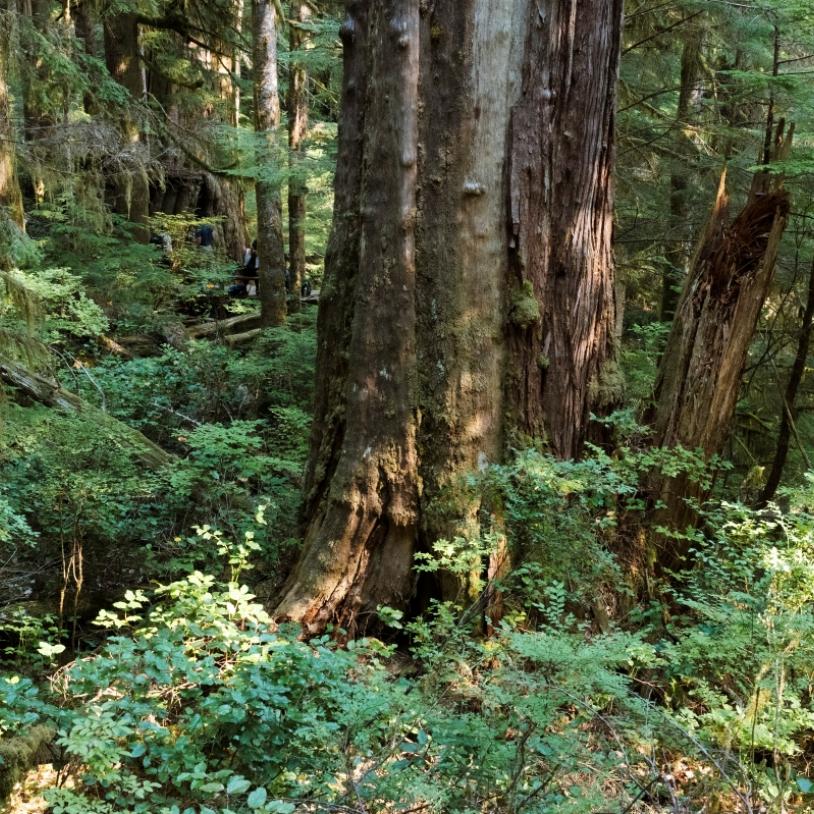
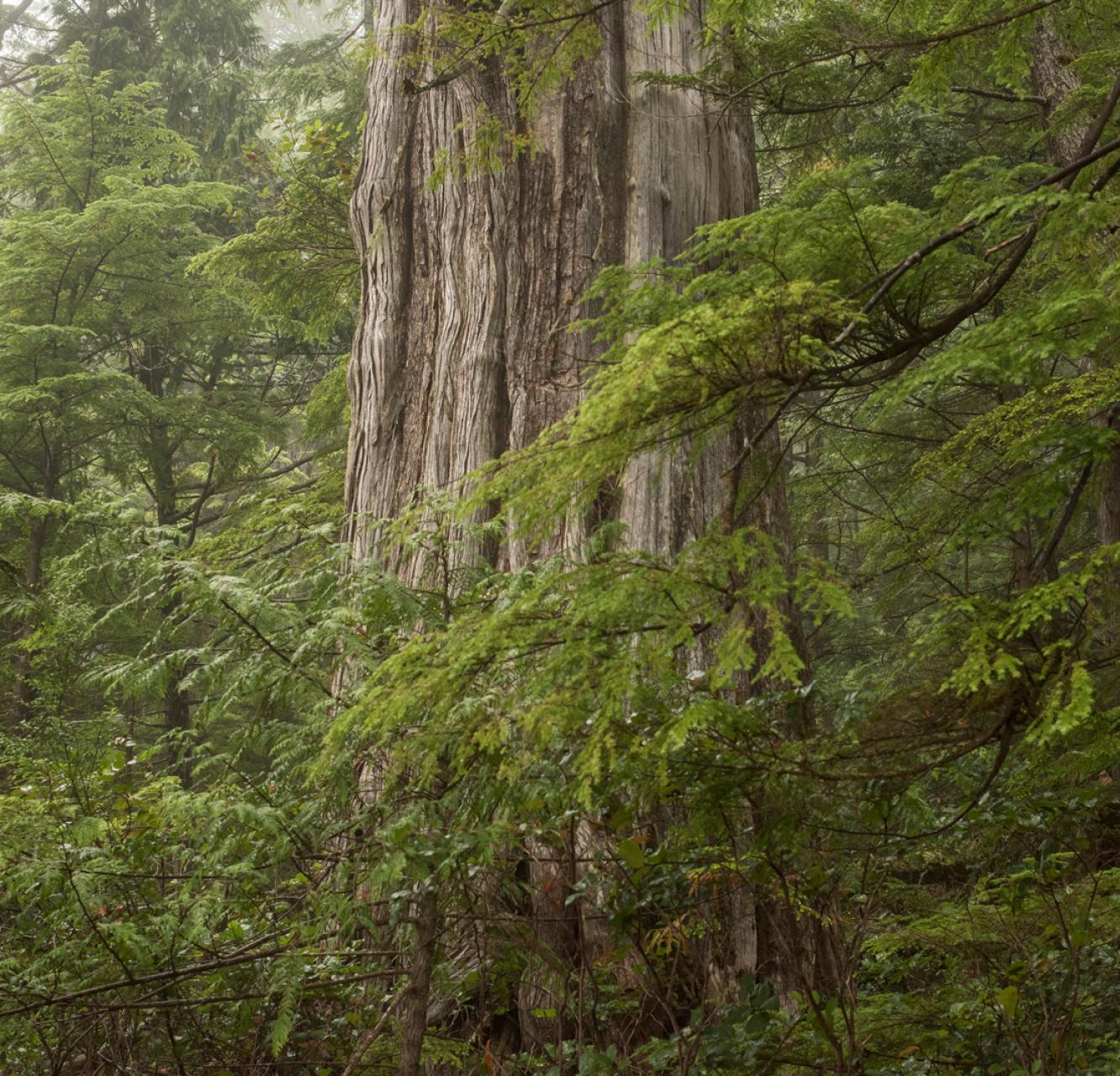
Given the B.C. government’s track record of prioritizing timber values over conservation, biodiversity and ecosystem health, any new Working Forest zone will almost certainly be far too large and will include old-growth and other rare forests.
The Wilderness Committee strongly opposes any three-zone model that includes a working forest designation
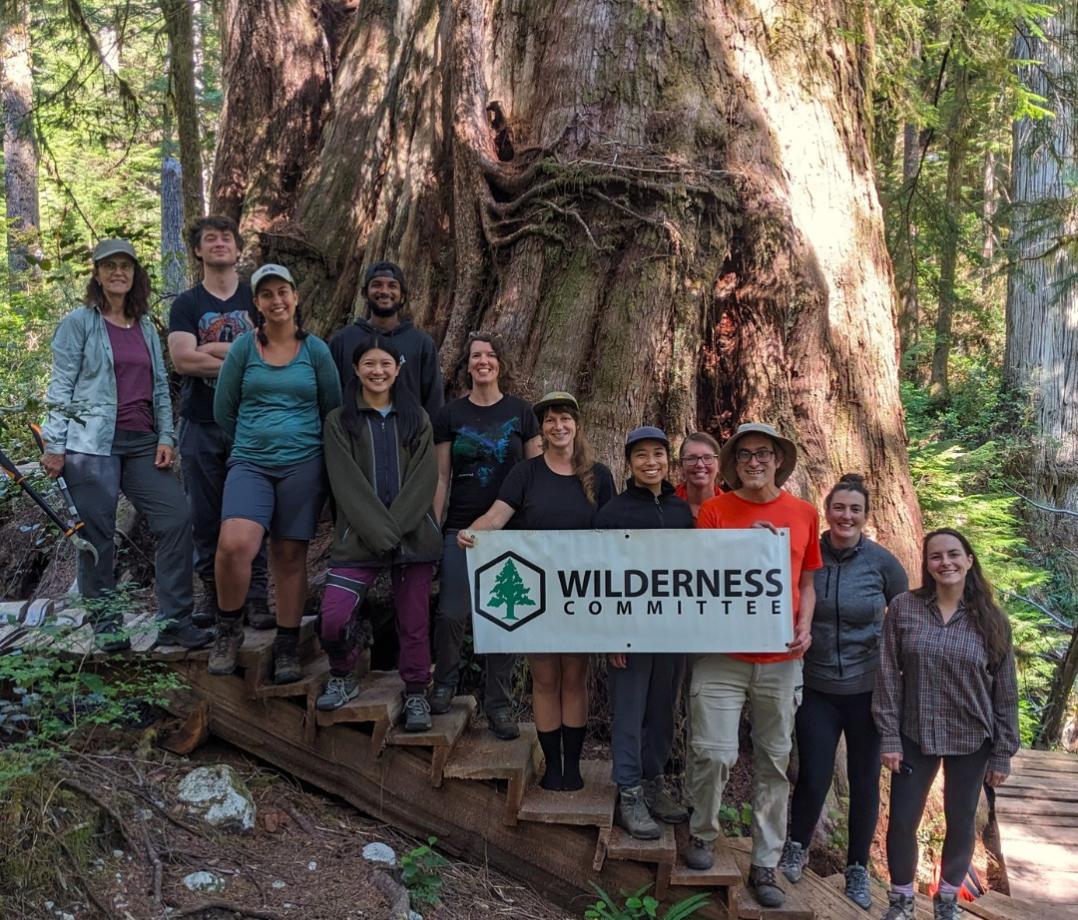
Our organization has worked alongside communities, First Nations and partner organizations to protect old-growth forests and oppose unsustainable logging practices for more than 46 years. Now the B.C. government must face the music of what happens when you support decades of land mismanagement that prioritizes logging above other values. But instead of a bold change of direction towards a land management paradigm that values biodiversity, recreation, cultural heritage, and climate resilience along with forestry, they’re doubling down on the pro-logging, pro-corporate model that got us into this mess.
Until the paradigm shift called for in the OGSR is made, communities and wildlife are left to face biodiversity and climate crises driven by logging, and a logging industry that is collapsing because old-growth forests never have been and never will be a renewable resource. We need leadership that is honest and listens to science and Indigenous knowledge systems instead of one that lies with myths about how logging old-growth prevents wildfires or downplays the logging industry’s role as a primary driver of biodiversity loss.
No matter who forms government this fall, the Wilderness Committee will work with other environmental organizations to provide an alternative three-zone approach to the provincial government. In the meantime, we will continue to work with communities, First Nations and other organizations that have already begun to raise concerns to fight the disastrous working forest model that would lock in a broken status quo.