Ontario Parks fired ecologist after warning about Devil’s Glen Park — why?
Thursday, November 5, 2026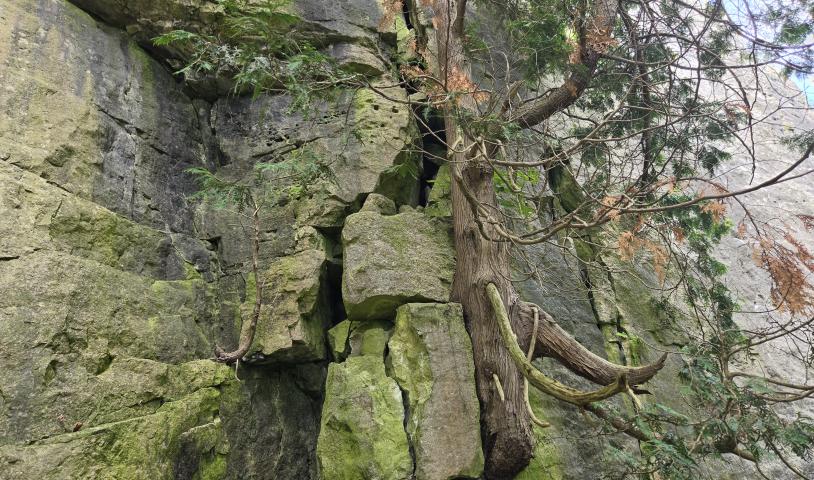
When rock climbing in parks goes unregulated and science is ignored, nature suffers and tensions escalate. It doesn’t have to be this way.
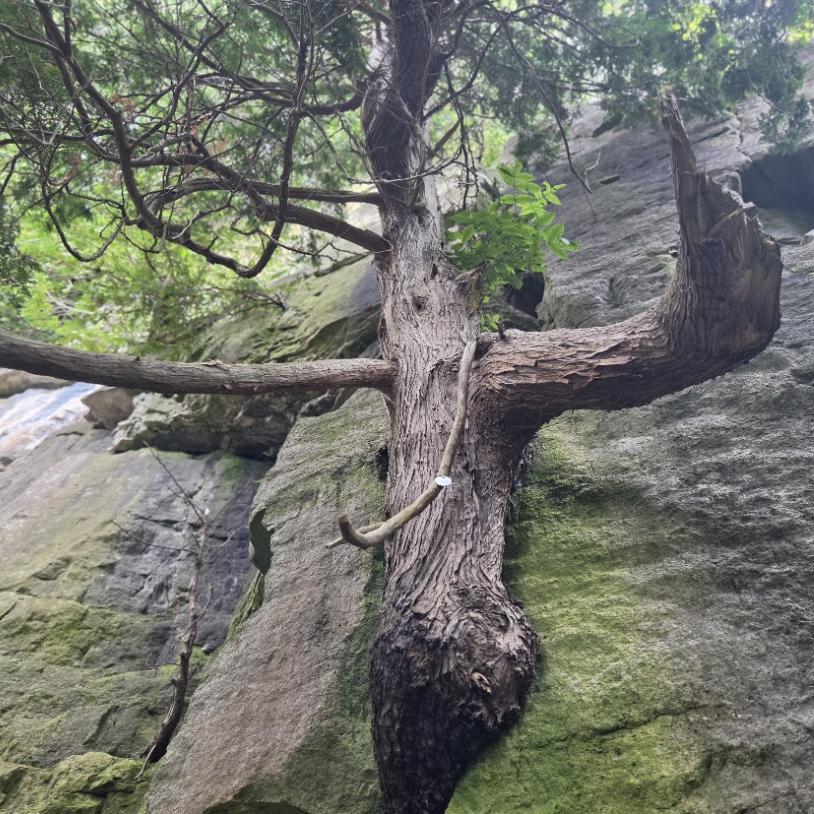
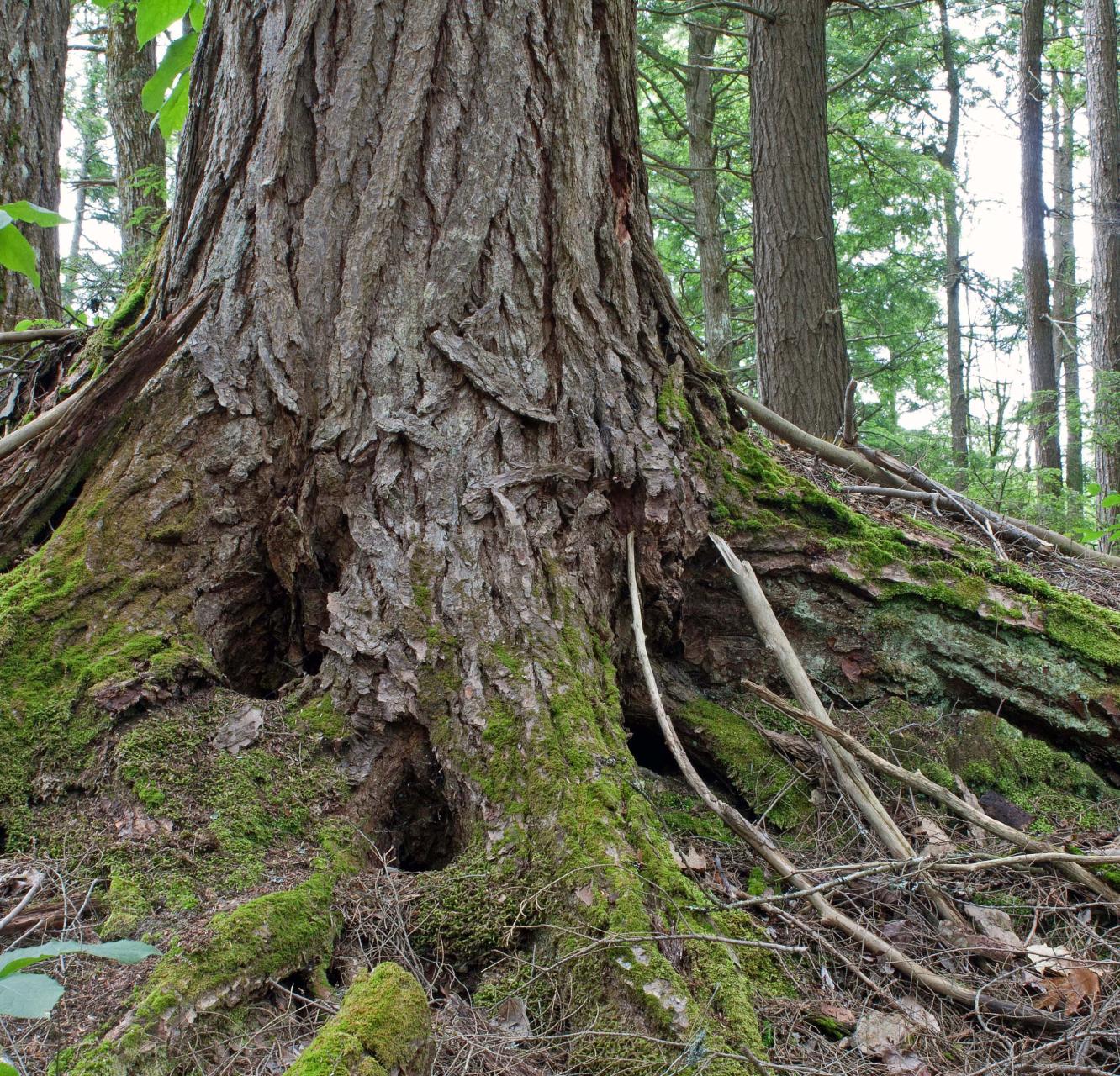
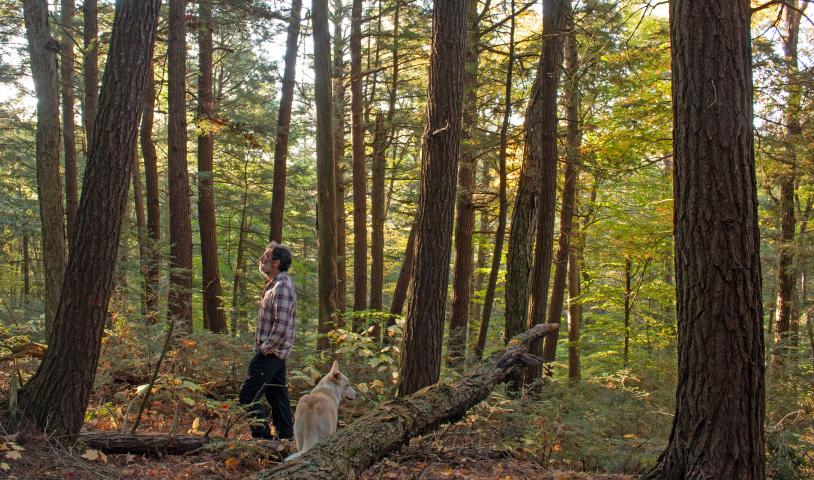
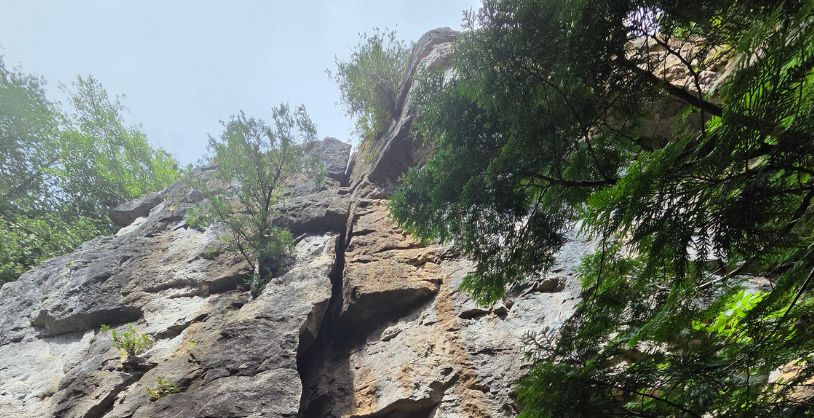
On my first hike this past September in the 18 hectares newly added to Devil’s Glen Provincial Park, I took about a hundred photos. None of them fully captured the majesty of the sheer cliffs and deep crevices, chunky taluses, ancient cedars, uncommon plants and bat habitat that make this place awesome.
These are the rare natural features that led to this land becoming provincially protected — at least, in theory. In practice, Ontario Parks is failing to ensure the conservation of this sensitive nature in the face of expanding and reckless rock climbing activity.
Demand Ontario Parks show us a plan to protect the ecological values in Devil’s Glen Provincial Park
How rock climbing affects Devil’s Glen Provincial Park
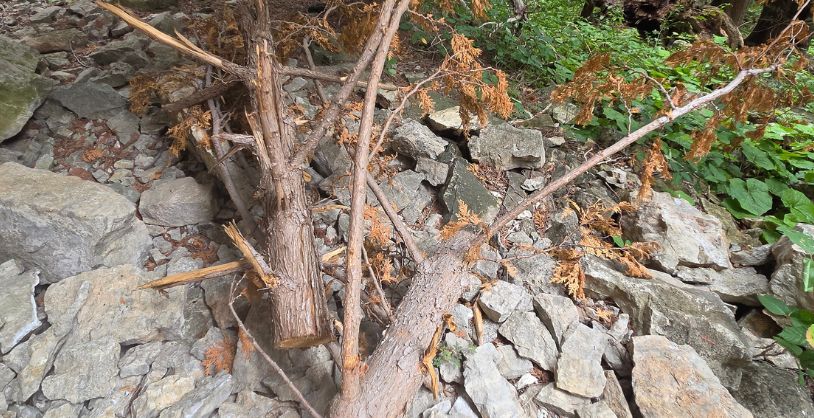
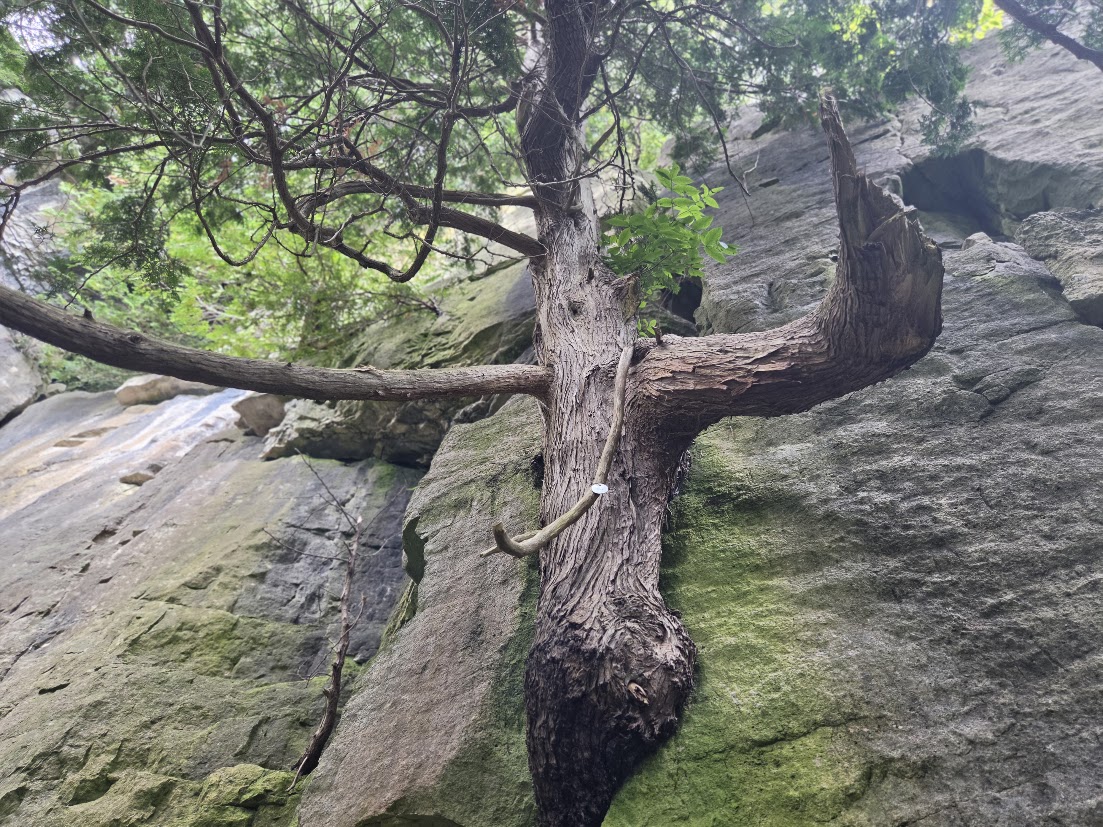
It took a trained eye to spot the damages to the Devil’s Glen cliffs — damages that included rocks chipped from the slopes, uprooted plants, old-growth cedars disturbed from their centuries-long rocky perches, some with sawed-off limbs and tops. These seem quite clearly related to clearing space for climbing routes, now over 140 of them, all marked by metal clips bored into the rock and cliff-faces stripped of plant life. But once seen, it was impossible not to be concerned about the systematic and ongoing destruction of the ecological values that are meant to be stewarded by park managers.
Also deeply disturbing is the recent dismissal of the ecologist and protection specialist who had documented the biodiversity of the area and warned about the destructive impacts of unrestricted rock climbing — Ontario Parks fired him shortly after my visit.
A history of unsanctioned climbing in Devils Glen
I was fortunate to be guided by long-time neighbours of the park who have hiked along the cliffs for decades. They’ve met with park ecologists and can point out the unnatural alterations from rock climbing— changes they say have increased over the past decade. The land was acquired by Ontario’s Ministry of Natural Resources (MNR) from a private owner around 2014, with the intention of adding it to the park. That’s when rock climbers started flocking to the cliffs and installing infrastructure to scale the admittedly enticing vertical stones.
My guides expressed frustration that they have been meticulously reporting these unnatural changes to the government for years with little to no response. While under MNR jurisdiction the area became a free for all — open to the public but without regulation while it awaited integration into the park — and unsanctioned climbing routes proliferated.
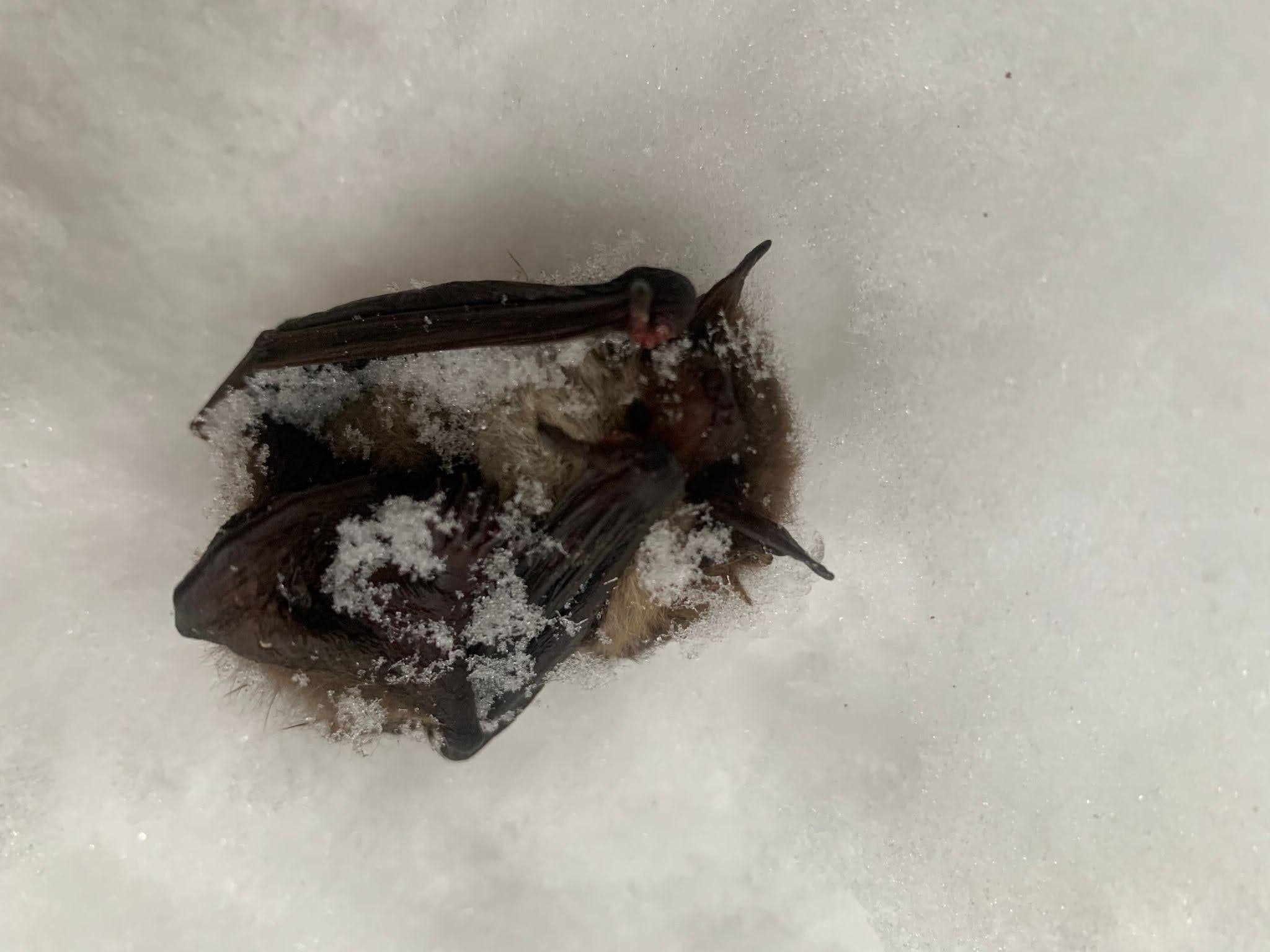
It was also in this period that Ontario Parks protection specialist Ron Gould undertook ecological surveys of the area to document cedars up to a thousand years old, provincially significant plant species such as smooth cliff brake and green spleenwort fern, a variety of rare micro snails, birds and several endangered bat species that inhabit the cliffs. Emails obtained through a Freedom of Information (FOI) request reveal that in 2022 Gould, now dismissed by Ontario Parks, expressed concern to park managers about the accelerated expansion of new climbing routes and bolting in locations of the very rare and sensitive cliff species the lands were acquired to protect. Instead of looking into the matter, Ontario Parks halted the ecological monitoring in Devil’s Glen in 2025, including restricting ecologists from monitoring bat hibernation and emergence, and have never made public Gould’s recommendations to protect the most sensitive areas from further encroachment by climbing.
For a brief period, in May 2023, Ontario Parks erected signs identifying three ecologically sensitive protection areas where climbing was restricted due to the presence of rare cliff ferns, bat roosting features and cliff nesting birds. Just a few months later the signs were taken down and have never been put back. FOI-obtained documents confirm the signs were removed on the order of the Ministry of Environment, Conservation and Parks (MECP), following lobby meetings with the Ontario Climbing Association (OCA).
Devil’s Glen new management plan officially permits climbing
In February 2026 the Ontario Parks approved an amended management plan for Devil’s Glen Provincial Park to include the new lands. It officially authorizes, for the first time, climbing in the “natural environment zones” of the park — and even plans for a new parking lot close to some of the sanctioned climbing routes. What it did not include was a description or map of permitted climbing routes, the restoration of protective signage, a renewal of the ecological monitoring cancelled in 2025, dedicated enforcement officers or any process to restrict new climbing infrastructure.
Since then, damage has continued to spread as routes continue to expand — including in the “nature reserve zones,” where it is not permitted. Confrontations and tensions between climbers and neighbours continue to escalate and park managers continue to avoid answering questions about conservation.
How to protect Devil’s Glen Provincial Park
Perhaps the most frustrating thing about this whole situation is, it’s not actually that complicated to find a balance between recreation and conservation in parks. Rock climbing can co-exist with protecting ecological values, but it takes active planning informed by science and Indigenous knowledge, clear rules and dedicated monitoring and enforcement.
Precedents exist. Rock climbing on the Mazinaw rock face at Bon Echo Provincial Park has been permitted under a special Memorandum of Understanding between Ontario Parks and the Alpine Club of Canada for years, making it one of the first and few Ontario parks where rock climbing is officially allowed. The key is strict and clear guidelines, as well as enforcement and accountability. In Bon Echo, Climbers are required to hold a membership with a recognized climbing club and obtain permits at the park gatehouse. Destructive techniques such as free-soloing, bouldering and slinging trees are prohibited; new routes and bolts require explicit prior consultation and approval from the park superintendent; and seasonal closures protect nesting birds such as peregrine falcons.
After all, it is by accessing and existing in nature that we learnt to appreciate, value and ultimately protect it. Rock climbers who find joy and contentment in their sport will also find peace and serenity in this park. Dividing natural allies because there is a lack of clear direction from Ontario Parks does a disservice to climbers, biodiversity and Devil’s Glen.