No LNG through Hudson Bay
Fossil Fuels have no Place in Hudson Bay
There is an unrivaled wonder on the shore of Hudson Bay, a place where the world comes to see the Arctic in a splendor found nowhere else on Earth. Each year, beluga whales gather by the thousands at the mouth of the Churchill River, and hundreds of polar bears wander across the tundra by the small town of Churchill, Manitoba.
But this region is facing a grave threat, with rising plans to ship LNG first through Churchill and then by tanker through Hudson Bay. These plans put nature and communities at great risk — via construction and climate — for very little reward. Both the Manitoba and federal governments need to hear loud and clear: fossil fuels have no place in Hudson Bay.

Stand up for Churchill: Keep LNG out of Hudson Bay
A new liquified natural gas (LNG) pipeline and export terminal is being proposed for Hudson Bay in Churchill. But the real-world impacts of an LNG terminal, the economic uncertainties and the cost to the Churchill area and its local environment are all reasons to say no to LNG in Hudson Bay.
What is LNG?
Liquefied natural gas (LNG) is mostly methane — an extremely potent greenhouse gas with 20 times the warming potential of carbon over a 20-year span. Natural—or fracked—gas is extracted from the ground through a water-intensive process called fracking, transferred through pipelines and compressor stations, and then supercooled at an LNG terminal for export abroad.
What is the proposal for Hudson Bay and Churchill?
While the full plans for the Churchill port expansion are still in the works, the up to $80-billion expansion proposal includes a floating LNG terminal in Hudson Bay. The loading terminal itself would be hundreds of metres long, and they’re constructed abroad before being floated into place. An extensive pipeline built over permafrost and discontinuous permafrost would be needed, a project that would impact more than 1,000 waterbodies before it reached Hudson Bay. A control building would likely be built on land where the pipeline meets the coast.
Exporting LNG through the existing Port of Churchill would require a massive industrial expansion in the Churchill River estuary and the town. Dredging of the river for larger ships would be environmentally destructive.
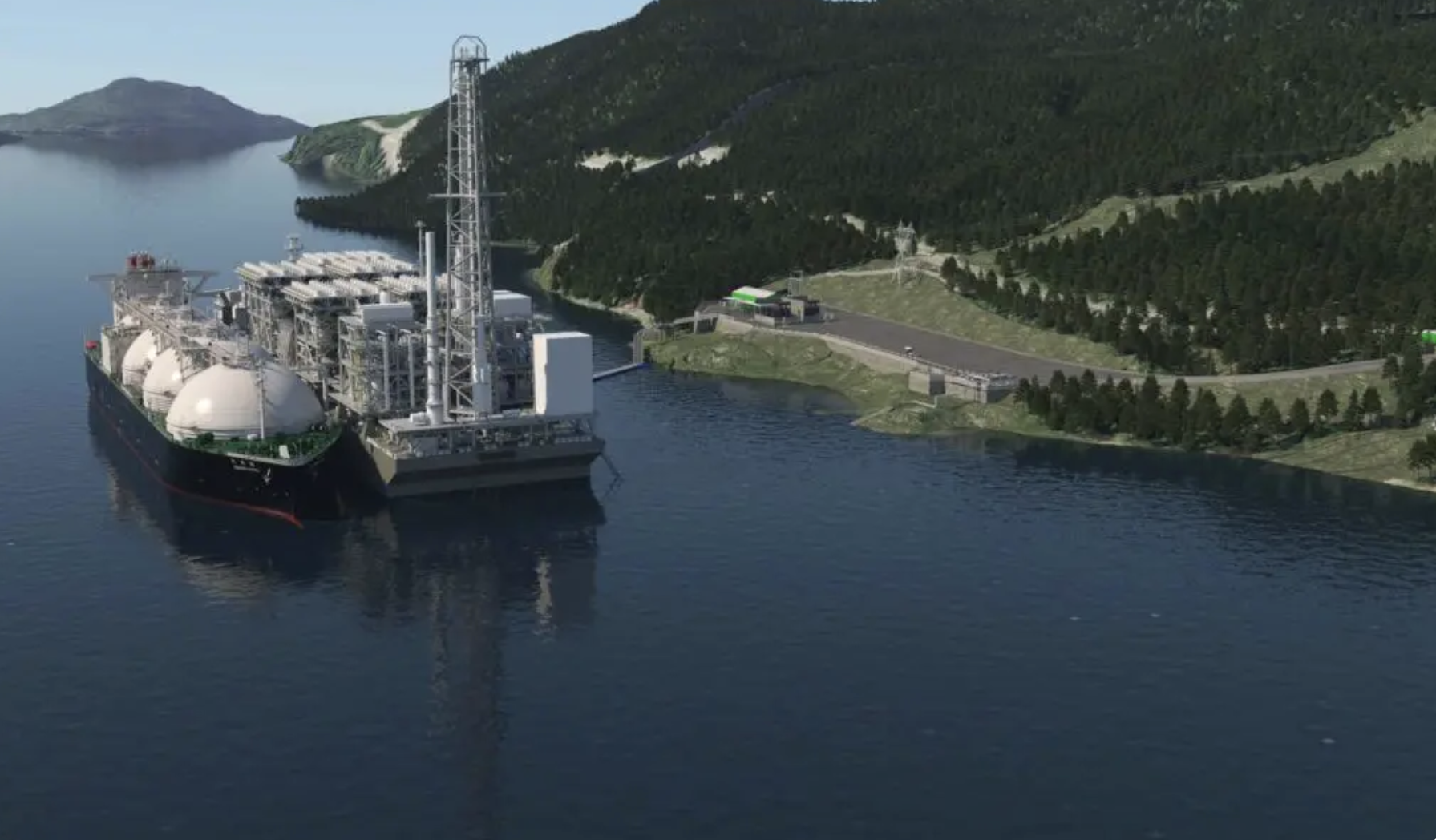
Photo credit: Cedar LNG
Why is LNG risky?
Health impacts
- Communities near LNG facilities like Kitimat, B.C. have faced health challenges associated with the intensive flaring, or burning off of excess gas, which releases known carcinogens like benzene.
- The noise from a massive industrial operation has caused health concerns for residents outside other LNG facilities, making it challenging to sleep for people living as far as three to four kilometres away.
Economic impacts
- Another floating LNG project – Cedar LNG in B.C. – cost up to $40 billion over 12 years to construct, and that was without expensive custom icebreakers to allow for year-round LNG exports.
- There is an anticipated oversupply of LNG coming, especially from lower-cost producers. Given the high cost of transport from Churchill with the Arctic conditions, the LNG from the Hudson Bay would likely not be cost-competitive.
- The supposed markets for LNG from Canada — countries in Asia and Europe — are quickly transitioning to renewables, suggesting that it will be difficult to find customers, especially given this project would not be online for several years.
- The majority of the jobs from this project would be in the construction phase — and fewer than other LNG facilities, given the floating terminal would likely be constructed abroad.
- Premier Wab Kinew has already announced a tax exemption for major capital investments at Churchill like the potential LNG facility. This tax break is a subsidy for the big oil companies already making massive wartime profits and means any investors won’t be paying their fair share.
Environmental impacts
- LNG tankers pose significant risk to marine life and communities nearby, particularly in the event of a spill, which can be extremely flammable. These tankers are typically around 300 metres long, with a significant impact on the ecosystems that they cross.
- The LNG terminal itself brings fire and explosion risk to workers and marine life nearby alike due to potential leaks, changes in air pressure and more.
- Churchill is home to iconic species like polar bears and beluga whales. The risk from the LNG facility and tankers would have significant, damaging impacts on these species.
An LNG facility in Churchill would mean noise pollution, health and safety risks and tankers coming in and out through the bay. And with the high cost of transport and energy markets rapidly evolving, the economic benefits of this project are shaky. A port expansion may be an asset for the future, but LNG definitely isn’t. For the polar bears and whales and the well-being of the community of Churchill, let’s keep LNG out of Churchill and Hudson Bay.
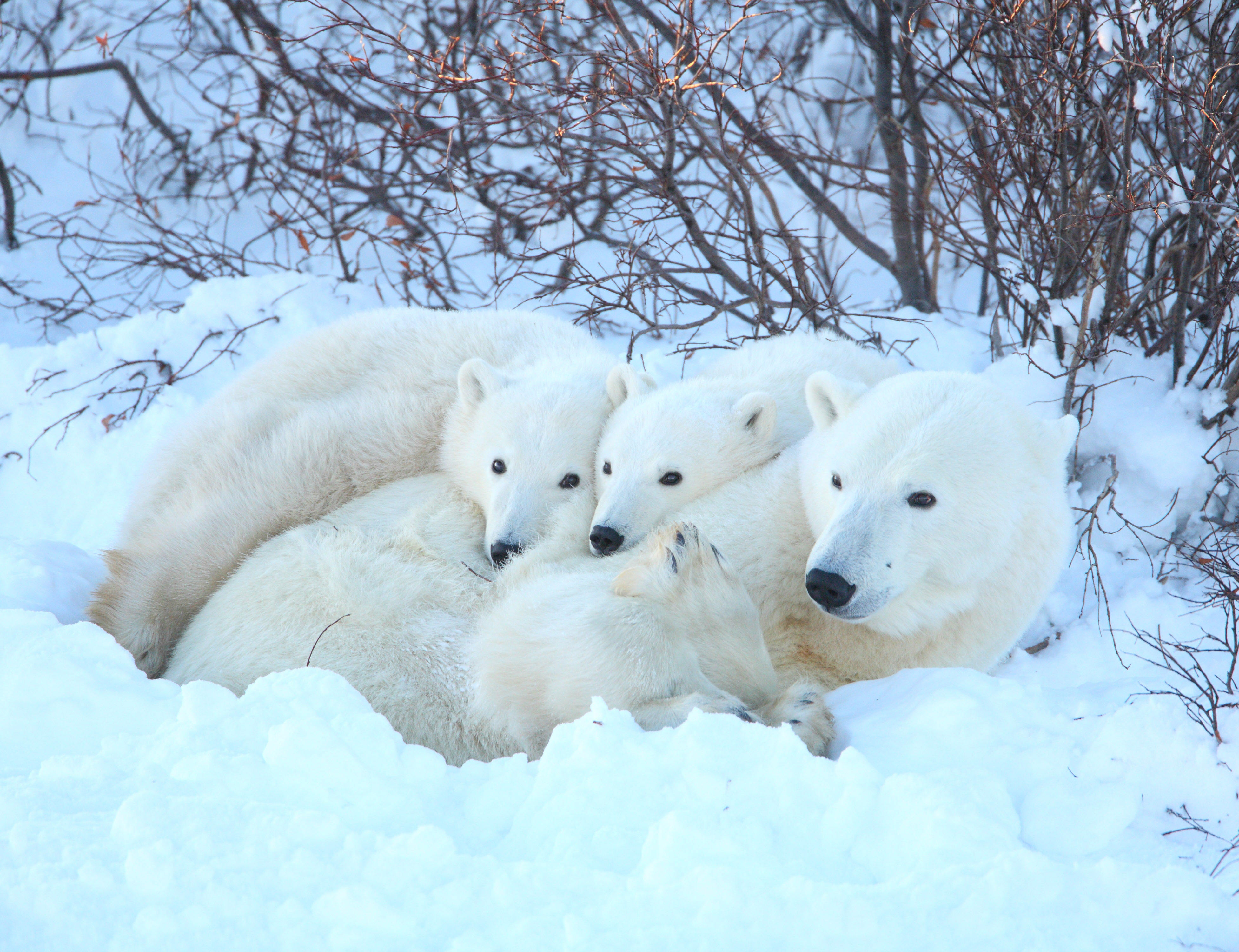
Photo credit: Jakob Dulisse
Additional Resources
Hudson Bay is a jewel of Manitoba—one worth protecting.
Building a pipeline to ship LNG through the Port of Churchill would have devastating impacts, making profits for oil and gas corporations while Manitobans face the risks.
Sign the petition to Premier Kinew saying no to building a fossil fuel pipeline to Churchill!
After another major derailment overnight, Omnitrax announced in a news release that it would no longer pursue its plan to ship crude oil by rail to the port of Churchill, and instead focus on grain shipments.
"Northern Manitobans and Wilderness Committee members are ecstatic today, as this risky oil-by-rail plan has been shelved," said Eric Reder, Manitoba Campaign Director for the Wilderness Committee.
Hear from our Campaigners
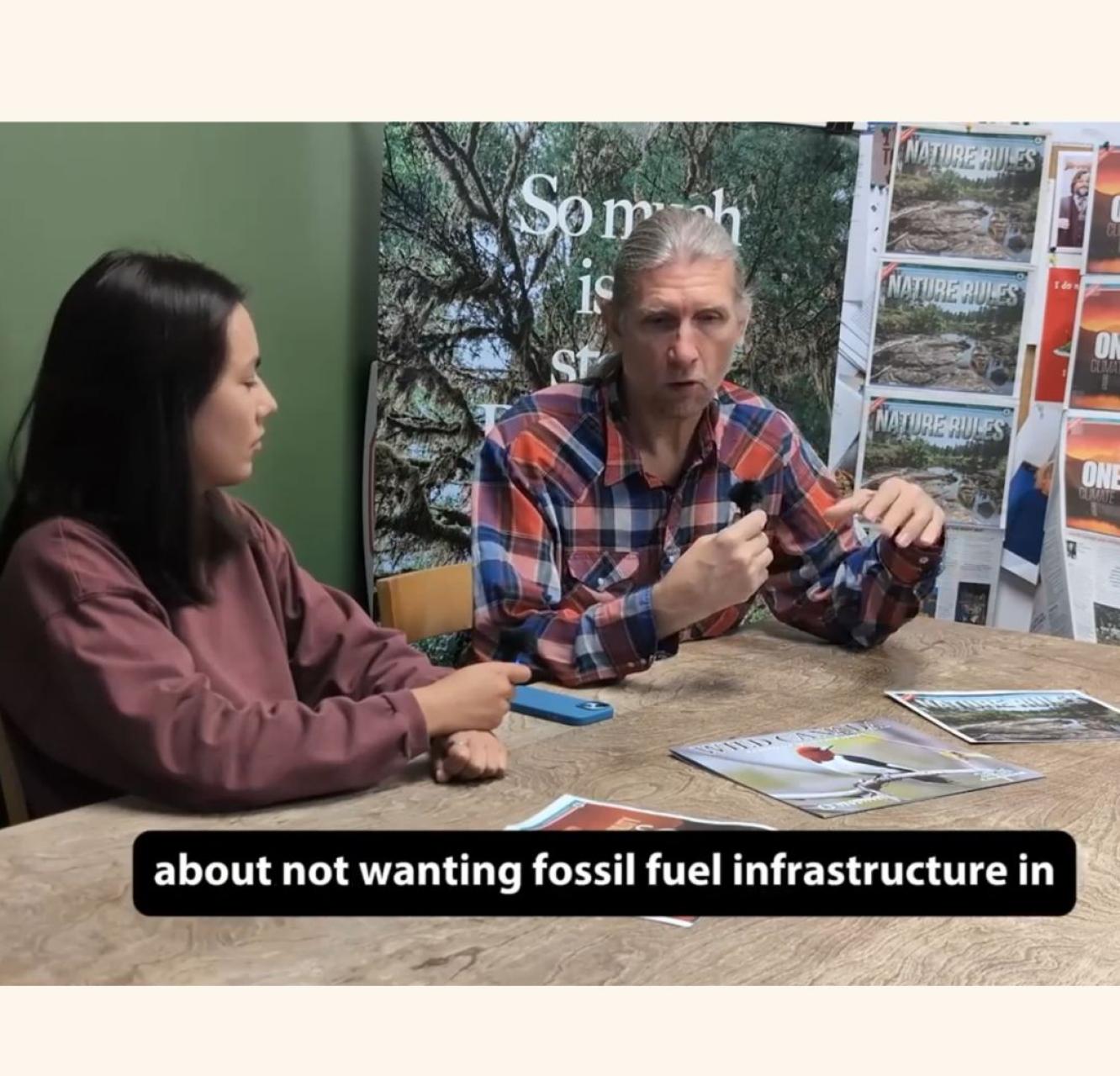
Manitoba's planned fossil fuel expansion into Hudson Bay worsens climate change and endangers the ecosystems we desperately need to save. Watch our campaigners Eric and Isabel talk about why we need to keep LNG out of Hudson Bay.
Join Us
Don’t miss your chance to make a difference. Receive campaign updates and important actions you can take to protect wildlife, preserve wilderness and fight climate change.