B.C. and federal governments greenlight Tilbury LNG after summer of devastating wildfires
Monday, September 21, 2026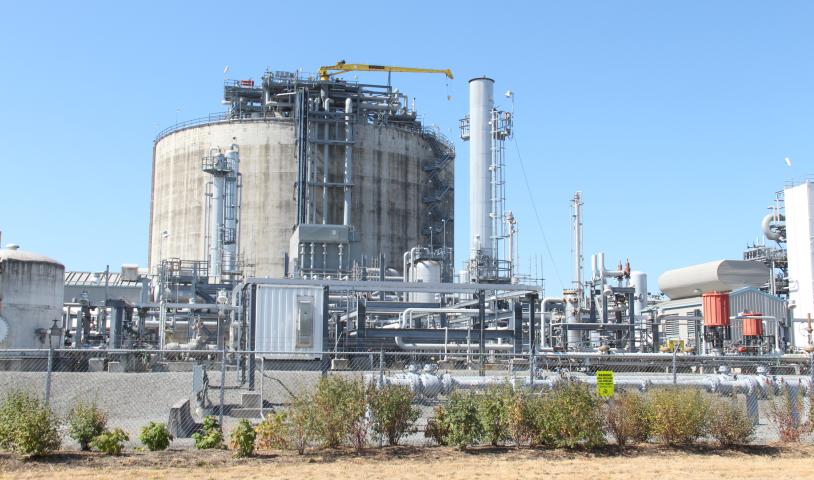
Facility will add a million tonnes of climate pollution as expansion forecast to cost ratepayers $1 billion
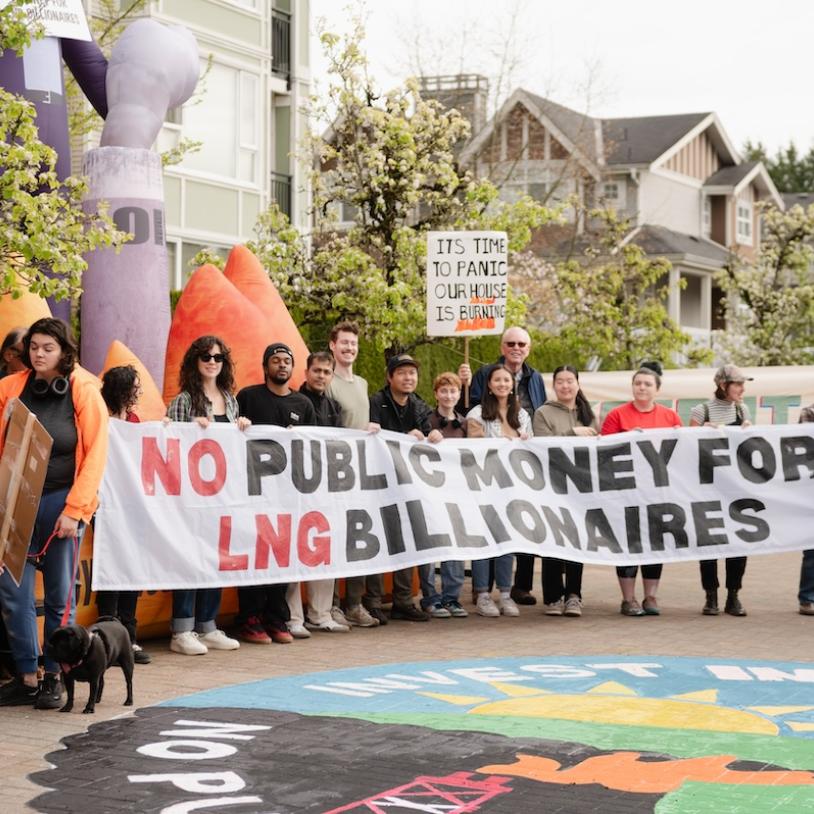
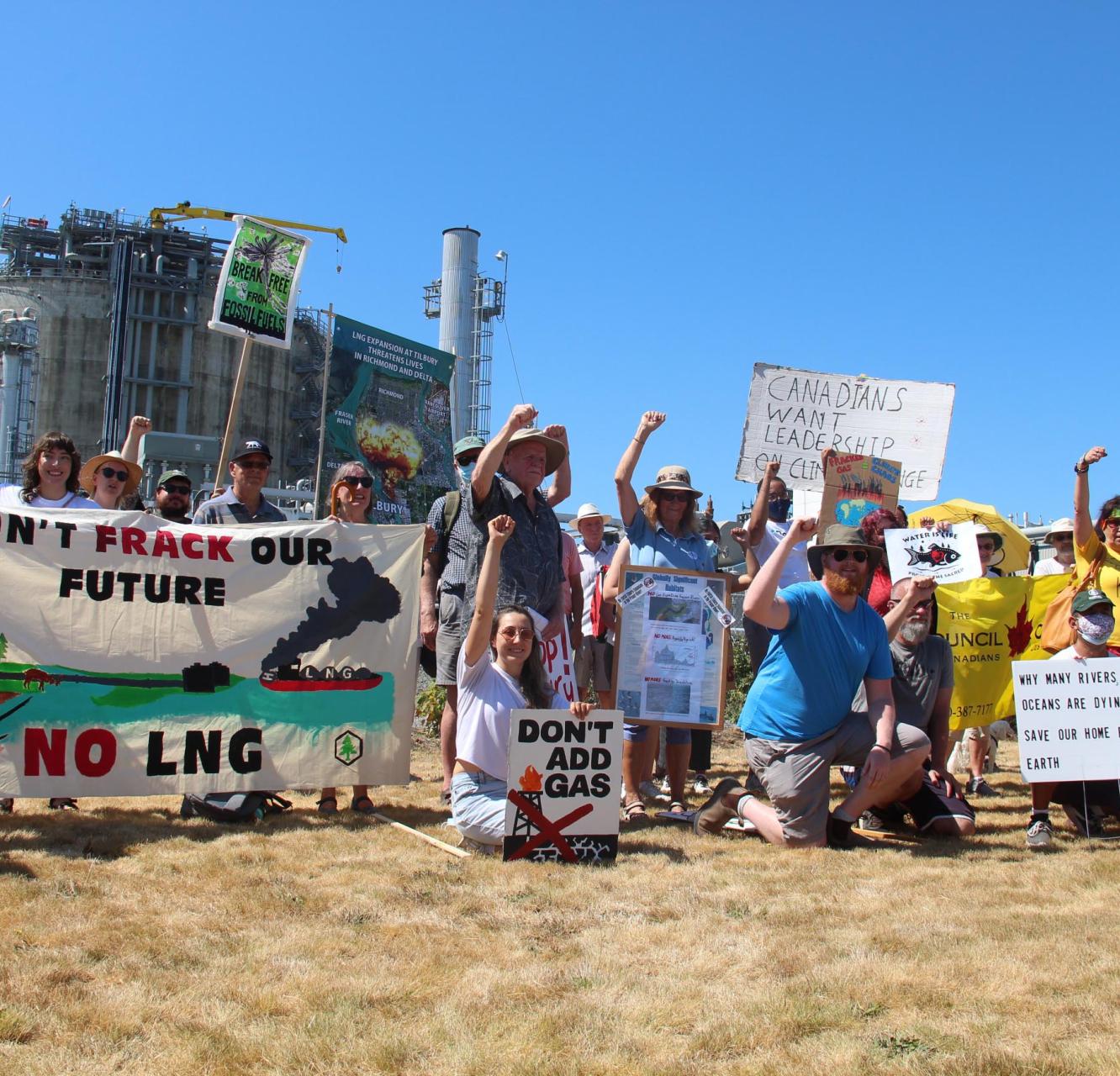
VANCOUVER / UNCEDED xʷməθkʷəy̓əm, Sḵwx̱wú7mesh AND səlilwətaɬ TERRITORIES — After years of engaging and mobilizing the public in opposition to FortisBC’s Tilbury LNG expansion project, the Wilderness Committee is condemning the B.C. and federal governments’ decision to approve the expansion.
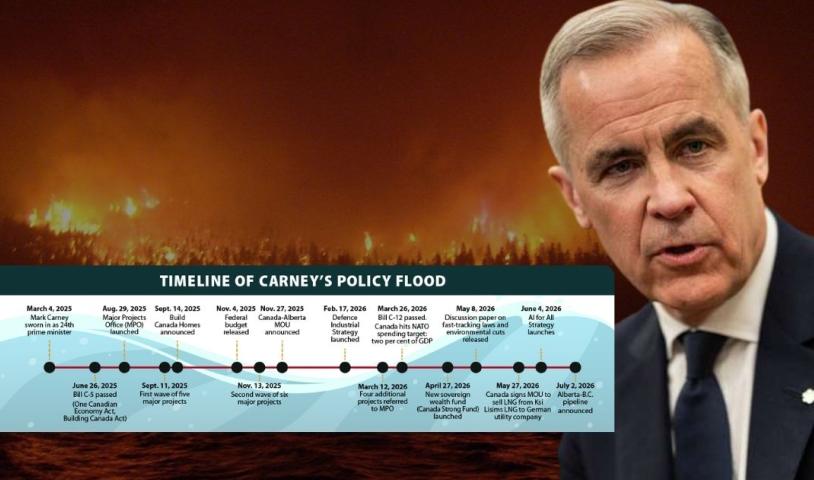
“Approving more new fossil fuel infrastructure in a climate crisis is reckless and irresponsible, and yet more evidence that Premier David Eby is happy to break his past promises on fighting climate change,” said Climate Campaigner Isabel Siu-Zmuidzinas.
The justification for the decision, which includes increasing jobs and economic benefits for the province and the community are misleading. The B.C. Utilities Commission has already approved passing the cost of the $1 billion storage tank for the facility on to FortisBC ratepayers, increasing utility costs for everyday people while many continue to struggle with the cost-of-living crisis. The B.C. government will also not be capturing substantial revenue off fracked gas royalties, as came to light due to the miscalculation that led to a massive gap in the budget.
“Today’s decisions marks yet another betrayal from the B.C. government,” said Siu-Zmuidzinas, “After years of working with communities in Richmond, Ladner and along the Fraser that will be impacted, it is devastating to see those concerns — public safety, marine health, climate impacts, affordability — go unheard. These communities will see the impacts firsthand and be footing the bill. They deserve better.”
Tilbury LNG will add a million tonnes of carbon emissions, (roughly a third of what the entire City of Vancouver generates annually) — further worsening the climate crisis after yet another summer of devastating wildfires worsened by climate change that had the province in a state of emergency for three weeks. The facility will increase tanker traffic along the Fraser River, raising serious public safety concerns and causing devastating impacts to marine life and species like salmon and southern resident killer whales who rely on the diverse ecosystem. With the ground-level flare and venting from the facility, these emissions will impact air quality and raise public health concerns for those in the area — as researchers have documented in Kitimat where B.C.’s only operational LNG facility is located.
-30-
Isabel Siu-Zmuidzinas | Climate Campaigner
isabel@wildernesscommittee.org