Infographic: PM Carney’s budget for military vs. environment
Tuesday, September 15, 2026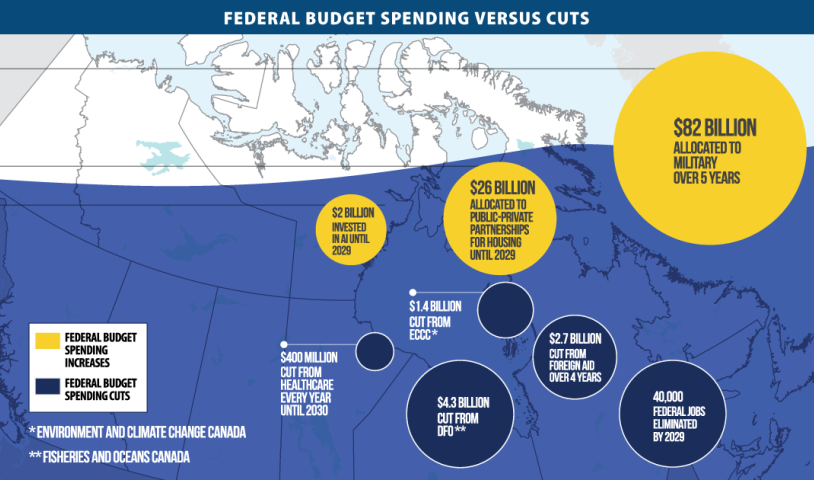
The federal government’s priorities are reflected clearly in what it chooses to put money behind, and what it chooses to take money away from.
In the 2026 budget released in February, the Carney government cut $1.4 billion and $4.3 billion from Environment and Climate Change Canada (ECCC) and Fisheries and Oceans Canada (DFO) budgets — a 45 and 69 per cent funding cut for the ministries responsible for protecting wildlife and regulating environmental impacts. The budget further aims to eliminate 40,000 federal public service jobs by 2029.

This article is third in a series from our Flood the Zone publication, which identifies ways community-building can combat a dangerous media tactic.
Money for the military, cuts for climate
These cuts stand in stark contrast to the flood of the $82 billion military budget allocated for the next five years and the aggressive chase to further increase defence spending from two to five per cent of national gross domestic product (GDP) by 2035. Only a third of that amount is being invested in housing, amidst a national cost-of-living crisis largely driven by housing prices and rents. Meanwhile, the defence department is often the branch of government with the highest carbon emissions, and further prioritizing defence continues to normalize surveillance and militarization of day-to-day life for people living in Canada and abroad.
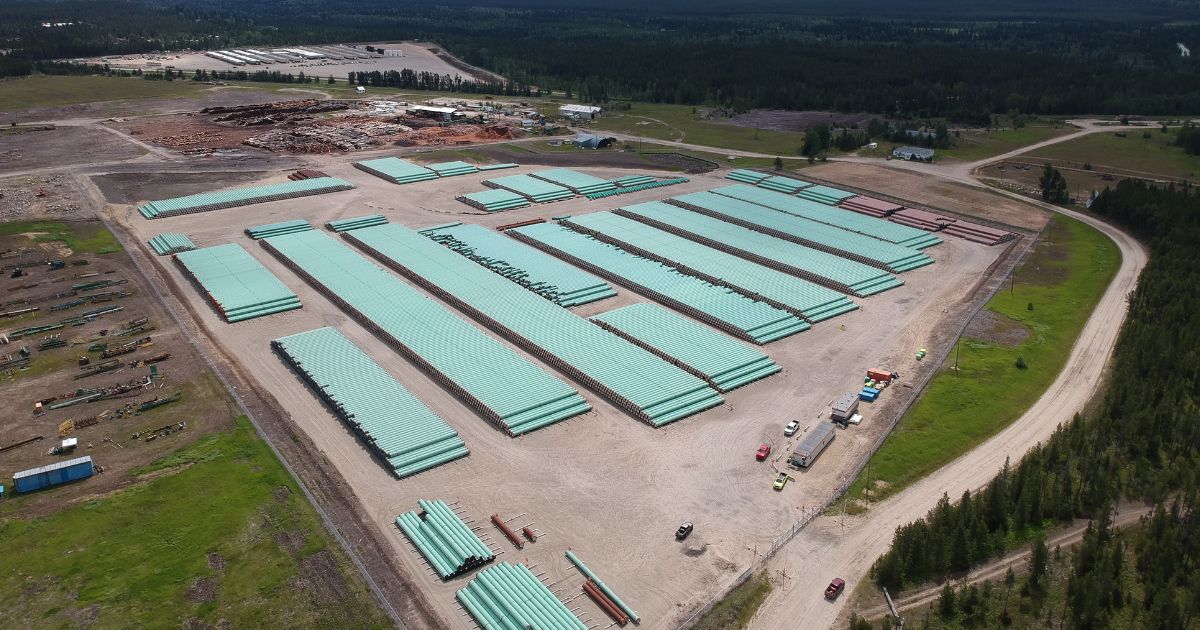
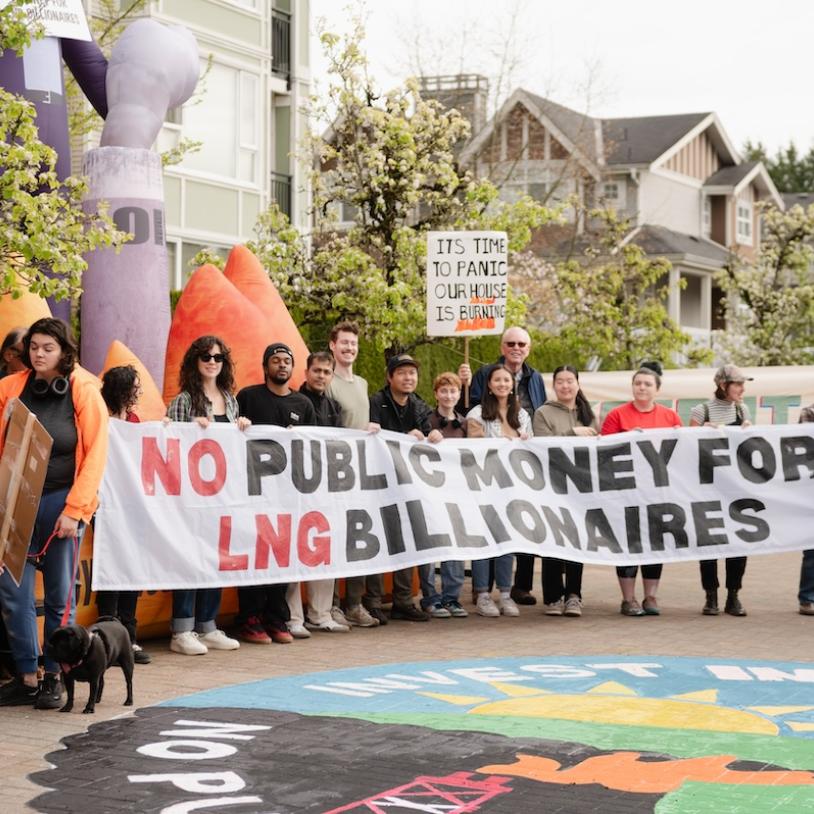
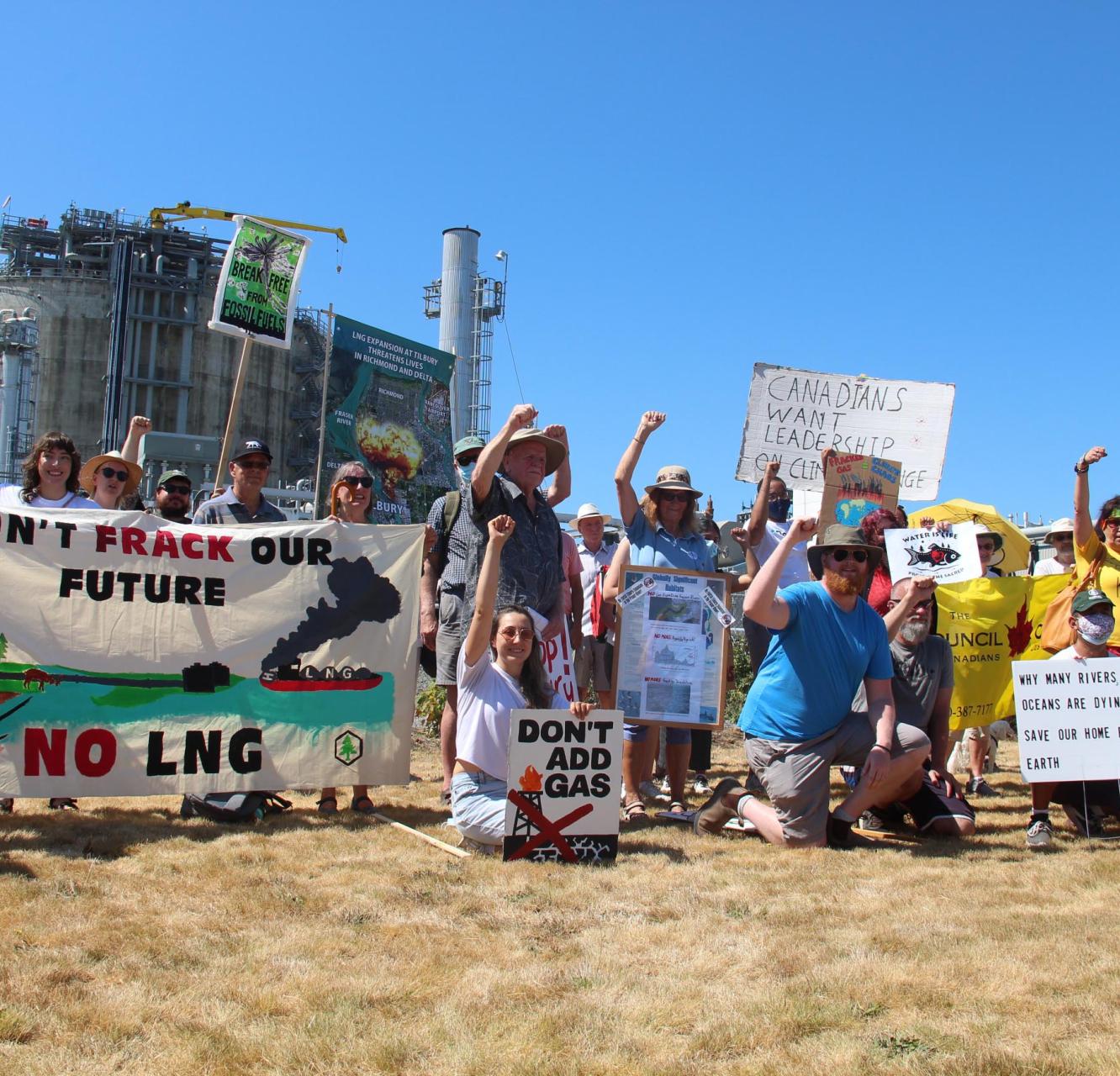
Prime Minister Carney has also been finding new ways to funnel taxpayer dollars toward fossil fuel projects and the corporations backing them, expanding the mandate of the Canada Infrastructure Bank to include fossil fuel projects when it formerly funded things like housing, clean energy and transit and creating a new sovereign wealth fund — the Canada Strong Fund. Both of these moves are probable ways to put more taxpayer dollars into oil and gas projects, on top of the over $40 billion it would cost the federally-owned Trans Mountain to build yet another pipeline expansion and the billions of dollars in existing subsidies through tax breaks and other policies.
With all these fossil fuel subsidies and money for the military, it’s frustrating how the climate movement’s calls for Canada to spend two per cent of GDP on climate action have been ignored for years. It is clear from the accounting that Carney’s budget reflects an ideological decision to diminish the social safety net and pour resources into fossil fuels, militarism and war.
Mark Carney's government has allocated $83 billion dollars for the military over the next five years. The defence department is often the branch of government with the highest carbon emissions, and further prioritizing defence continues to normalize surveillance and militarization of day-to-day life for people living in Canada and abroad.
This article is third in a series from our Flood the Zone publication, which identifies ways community-building can combat a dangerous media tactic.
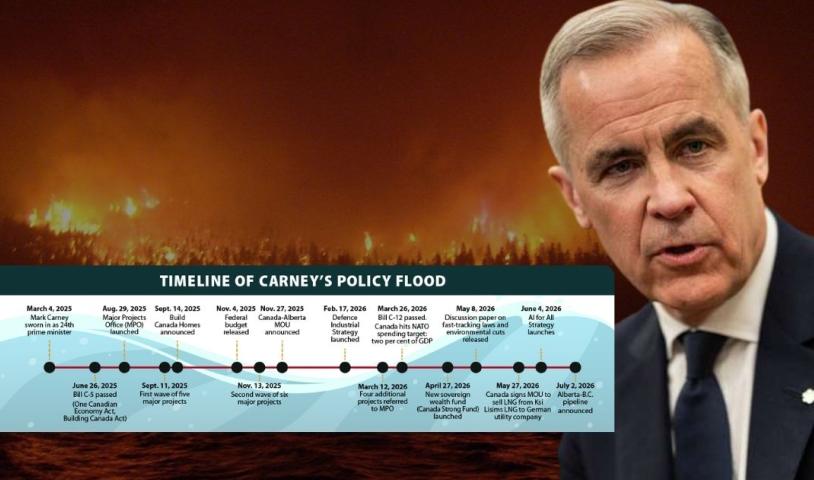
Click here to read the next article: Carney’s major projects push in one timeline