Canada’s nature plan promises $3.8B for protection — but Carney promises unchecked destruction
Wednesday, June 10, 2026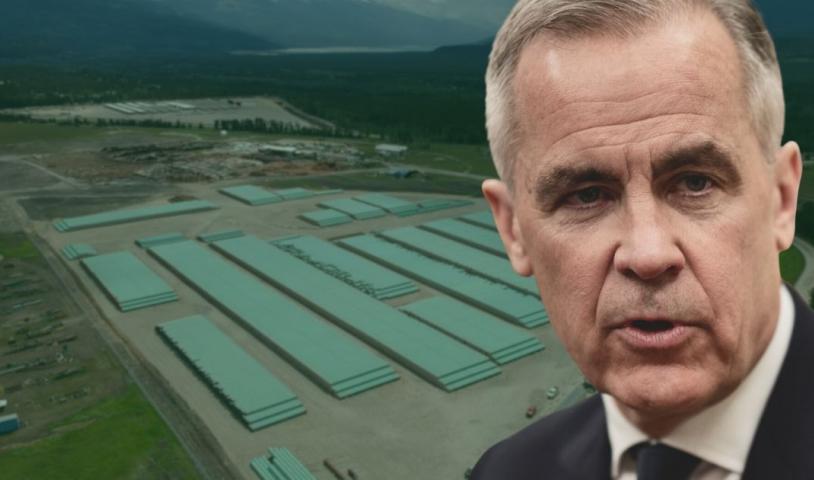
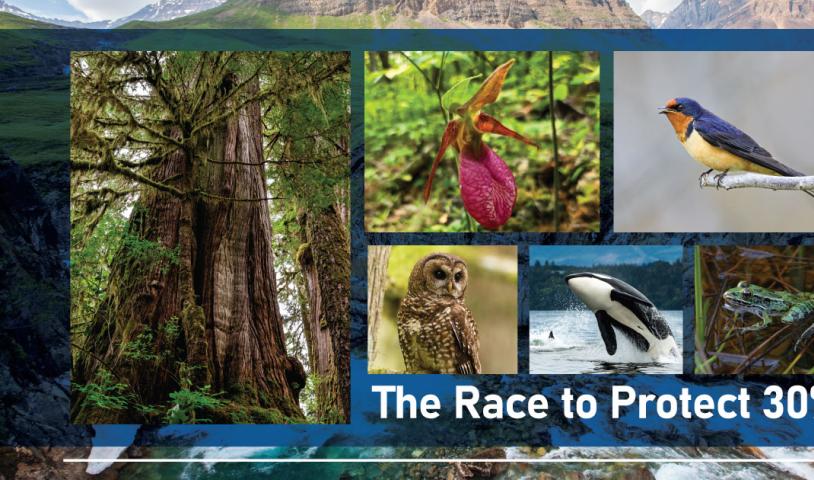
In isolation, the federal government’s new nature strategy, A Force of Nature — released in March and backed by a $3.8-billion commitment to protect 30 per cent of lands and waters by 2030 — might appear like progress. But a barrage of recent federal announcements gutting environmental protections have shattered what little remained of that illusion, making one thing painfully clear: no amount of money can solve a biodiversity crisis that this government has no real intention of stopping, and is instead actively accelerating.
"Worse than Harper-era cuts"
Prime Minister Mark Carney’s latest attack on environmental safeguards and public accountability was described by Steven Guilbeault as “worse than Harper-era cuts.” Protest these changes — the comment period is open till July 22nd.
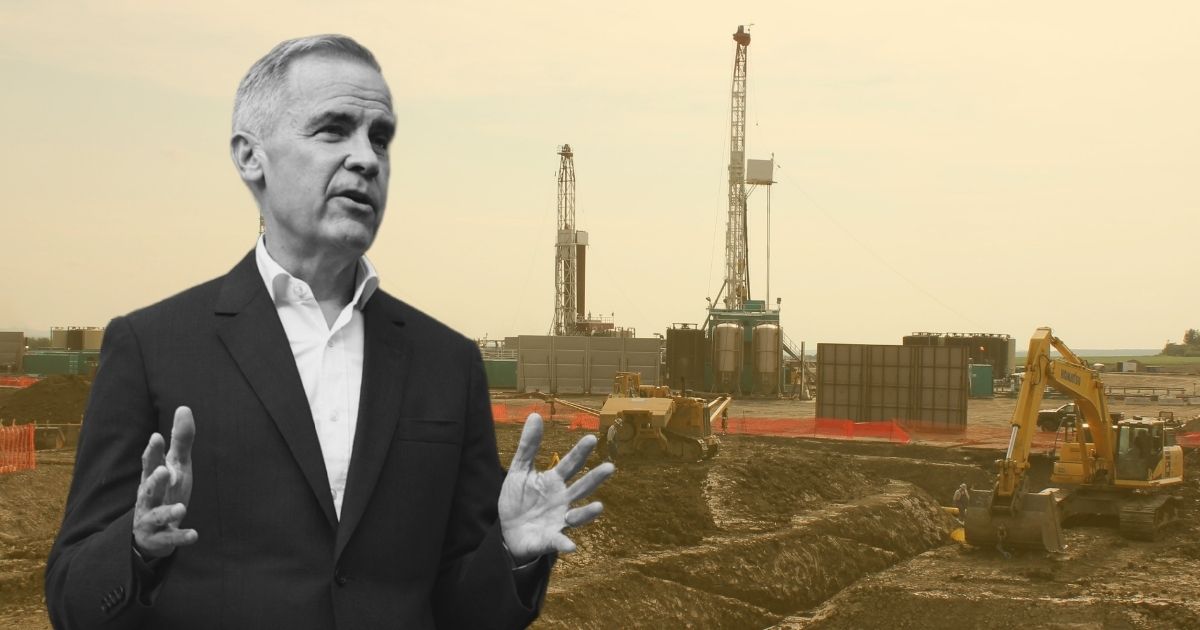
Carney proposes to gut Species at Risk Act
In his election victory speech, one of Prime Minister Mark Carney’s first pledges to the country was “we are going to build, baby, build.” This promise was then followed by the passing of Bill C-5, the Building Canada Act, which allows the federal government to expedite projects of “national interest” by bypassing environmental assessments and weakening public and Indigenous consultation processes.
Now, Prime Minister Carney wants to gut even more environmental protections to expedite any project he deems worthy, as seen from a federal government discussion paper titled Getting Major Projects Built in Canada.
One of the most nightmare-ish elements of the proposal is the weakening of the federal Species at Risk Act (SARA), particularly the requirement to conduct a “jeopardy test” — a safeguard that prevents projects from proceeding if they would imperil the survival of threatened or endangered species.
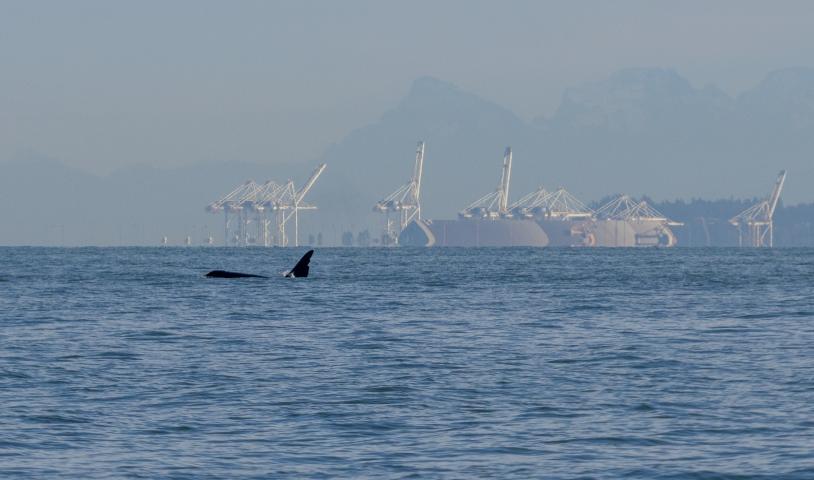
The jeopardy test, simply put, is a safeguard against extinction. This provision represents one of the last lines of defence against projects like the Roberts Bank Terminal 2 expansion on the West Coast, which would destroy up to 177 hectares of critical habitat for endangered southern resident orcas. The project is currently awaiting its final permit under SARA, contingent on passing this no-jeopardy test before construction can begin.
Once extinction safeguards are weakened, consultation is shortened, and environmental assessment is bypassed, what remains is permission by default.
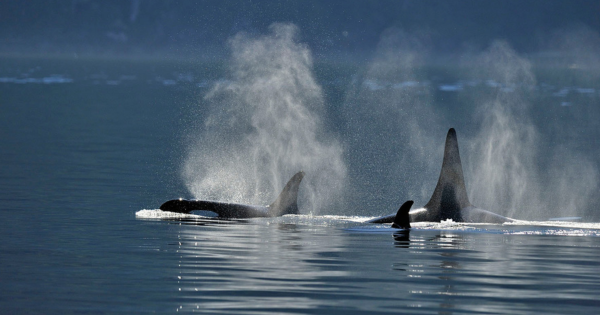
Photo credit: John E. Marriott
Why the Species at Risk Act matters
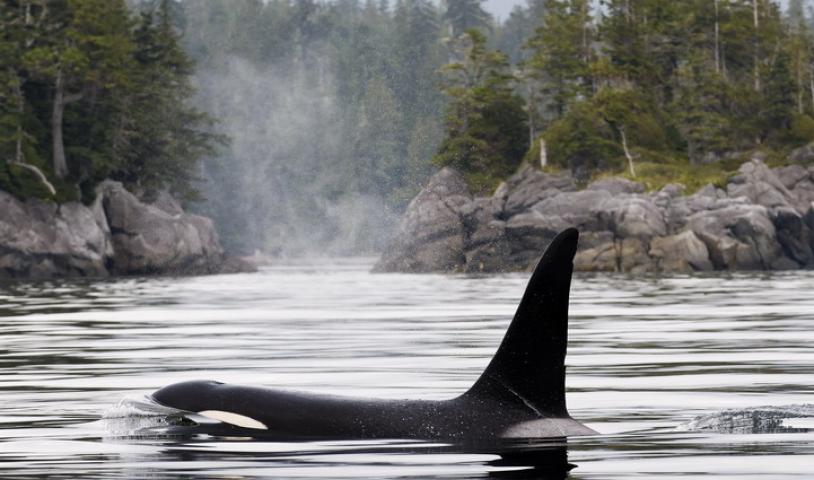
The remaining 73 endangered southern resident orcas are the only population in the world for which each individual is known by name. Yet, without the jeopardy test under SARA, their names, survival and future will become optional in the face of development in their habitat. Weakening SARA not only risks their survival but our future, and that of future generations, with them in it.
Meanwhile, by modifying critical legislation, including the Fisheries Act, the Species at Risk Act, and the Impact Assessment Act, this government is covering its tracks so that challenges to industrial development become nearly impossible in the courts. And in their eyes, the current public comment period will suffice to give us a voice in deciding on the future of more than 5,000 species at risk.
We know the mass destruction of nature is both economically costly and ultimately unsustainable, and Prime Minister Mark Carney's efforts to cut corners in order to make resource extraction cheaper and faster are proof of that reality. Why else would there be a need to modify the only federal law protecting species at risk in the country, other than that it currently costs private companies money to ensure their projects don’t push species to extinction?
"No amount of dollars will bring species back from extinction. No hollow funding announcement will calm the pain of an endangered orca on the West Coast carrying her dead calf through a habitat that shrinks with each megaproject approved by the federal government."
“Build, baby build” cannot co-exist with nature protection
This “build first, ask questions later” agenda cannot coexist with Canada’s commitments under the Kunming-Montreal Global Biodiversity Framework, which requires countries not only to protect 30 per cent of lands and waters by 2030 — but to halt and reverse biodiversity loss itself. By dismantling SARA, the federal government is putting extinction back on the table while simultaneously claiming to “address” the biodiversity crisis by spending $3.8 billion.
From slashing nature protections to weakening Indigenous consultation and eroding immigrant and refugee rights, Prime Minister Mark Carney filters all decisions through his short-term economic lens, one where anything that isn’t profitable is treated as expendable, whether that be an endangered caribou herd or a refugee family trying to safeguard their future.
No amount of dollars will bring species back from extinction. No hollow funding announcement will calm the pain of an endangered orca on the West Coast carrying her dead calf through a habitat that shrinks with each megaproject approved by the federal government.
But public pressure can still change what happens next. It can be the difference between Carney pushing ahead with these reckless changes and species in this country retaining a real chance at survival. If you believe it too, take action by July 22!

Photo credit: Jared Hobbs
Lucero Gonzalez Ruiz is the Conservation and Policy Campaigner for the Wilderness Committee.